THIS SITE IN BEING UPDATED AND UNDER CONSTRUCTION!
FEEL FREE TO NAVIGATE THE SITE WITH LIMITED ACCESS IN SOME AREAS.
1995 to 2024


Loyalty To The USA Navy Seals Remembered Serving Others Setting New Records
"Here is the LAST%!
I am pretty sure Matt invented hard work......"---Matt Hornsnell, Poe's Gym's Master Of Puppets
CLICK HERE TO EXPERIENCE THE LAST%
LIFTING LEGENDS
ED "THE GOAT COAN" AND MATT "PUSHPRESS KING" POE
DELIVERED AWESOME WORKSHOP ON NOVEMBER 4, 2023


STILL DOING IT!
WEST POINT, KENTUCKY! SEPTEMBER 25, 2023!
CLICK HERE OR THE BELOW PICK TO SEE THE LIFT!
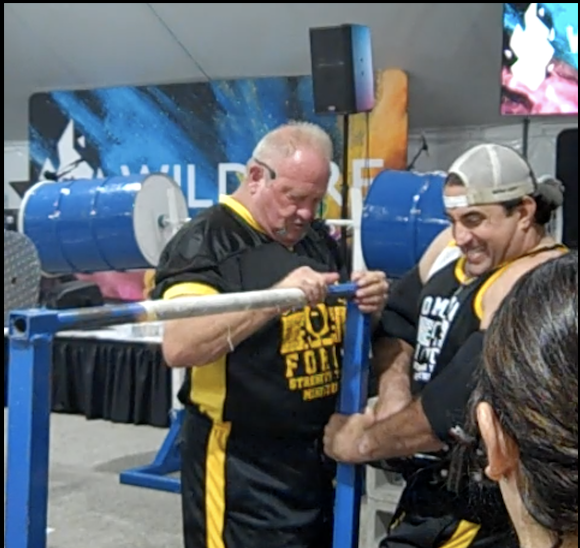
Two of the best in their repsective games. Ed Coan and Matt Poe will share their expertise in a workshop setting.
COME JOIN US AND CLICK HERE FOR MORE INFORMATION!!

REMEMBERING SAM GARRETT IN THE BELOW VIDEO
LET'S NEVER FORGET THE TRUE WARRIORS
WHO SACRIFICED AND FOUGHT CANCER
ALL ARE WINNERS WITH UNTOUCHABLE STRENGTH
"Simply a blessing to have met this fine young man"---Matt Poe
MATT POE PRESSES THE APOLLON'S AXLE OF 225 POUNDS FOR (15) REPS
JUNE 2021-IN LOGAN COUNTY KENTUCKY
WITH THE OMEGA FORCE STRENGTH TEAM
CLICK PICTURE/HERE TO WATCH VIDEO

ESPN LAUNCHES THE SHOW “GYMRATTS” FEATURING “POE’S GYM” AND MATT POE
GYMRATTS, LLC IN CONJUNCTION WITH ESPN WILL BE FEATURING "POE’S GYM" ON ESPN2 THIS FRIDAY, DECEMBER 28, 2018 AT 8:00PM(CST)/9:00(EST). CLICK HERE FOR TRAILERS.

CLICK HERE TO WATCH ENTIRE ESPN SHOW!
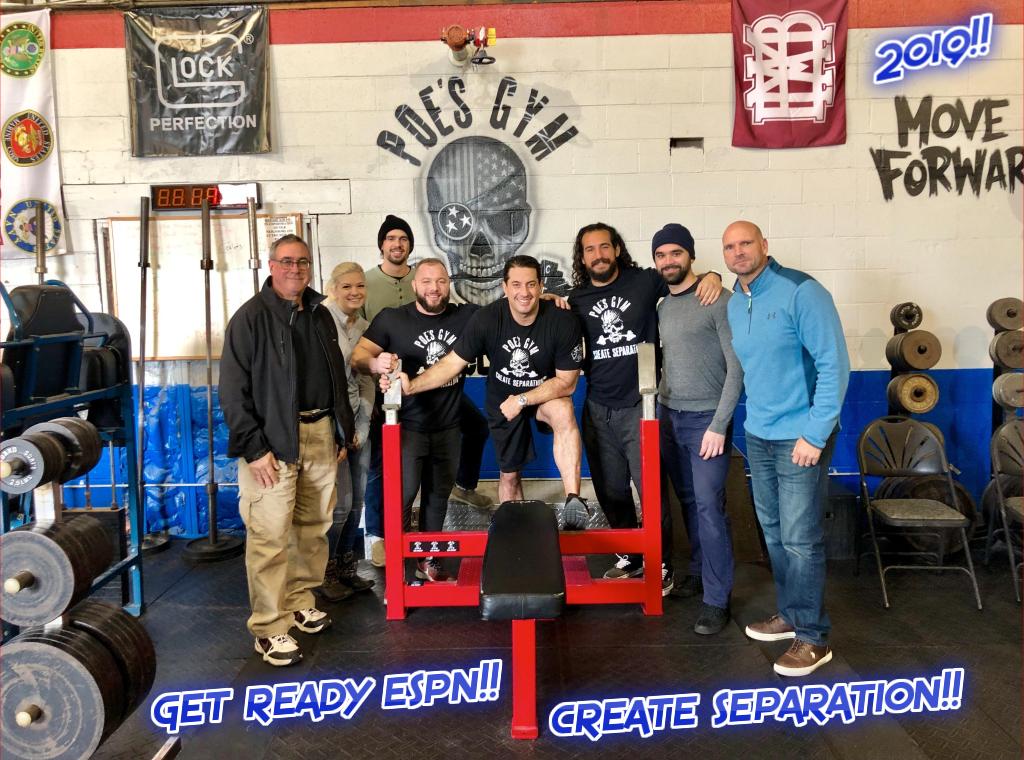
THE PRODUCTION CREW FOR ESPN ON THE SET OF GYMRATTS AT POE'S GYM
MARC HONAN LEAD PRODUCER
NEW YORK PRESS RELEASE CLICK HERE
POE'S GYM HAS OFFICIALLY MADE IT TO THE BIG SCREEN! THE PREMIER WAS AWESOME AND CONGRATS TO MY FRIEND FRANCISCO CIATSO AND PAUL STEWARD OF 316 PRODUCTIONS! JOURNEYMAN CAN NOW BE SEEN IN THEATERS!
THIS FILM WENT ON TO MAKE IT AS A FINALIST AT THE LA FILM FESTIVAL!!!
THANK YOU MEMBERS OF POE'S GYM AND THE VISITORS FROM ALL OVER THE WORLD!! THIS OPENING SCENE WILL ALWAYS BE IN THE HEARTS OF WRESTLING FANS AND ATHLETES FOR YEARS TO COME!
POE'S GYM HAS COME A LONG WAY SINCE 2014. WE HAVE HAD VISITORS FROM ALL OVER THE WORLD. WE HAVE HAD STRENGTH COACHES FROM ALL OVER OF THE WORLD. WE HAVE HAD WARNER BROTHERS IN THE GYM TWICE. WE HAVE HAD ENDLESS AMOUNTS OF PHOTO SHOOTS. WE HAVE HAD ATHLETES OF ALL AGES AND LEVELS TRAIN AT POE'S GYM. WE HAVE HAD FAMOUS MUSICIANS SHOOTING VIDEOS AT POE'S.
"OUT OF ALL THE VISITORS IN THE WORLD, ONE OF MY SPECIAL FRIENDS, FRANCISCO CIATSO, IS ONE OF MY FAVORITES AND IS THE DEFINITION OF HEART. I AM MOST HONORED TO PROMOTE HIS NEW MOVIE OF HIS PRO WRESTLING LIFE, "JOURNEYMAN". ANY ATHLETE THAT HAS BEEN DOWN AND HAD TO GET BACK UP, NEEDS TO COME WATCH THIS MUST SEE MOVIE. I AM HONORED TO HELP HIM"---MATT POE
MATT POE EXECUTES A STRONGAN "TIMBER LIFT"
IN SCOTTVILLE, KENTUCKY
"I HAD ONLY HEARD ABOUT THIS TYPE OF LIFT FOR YEARS. I ACTUALLY TRAINED FOR A TRADITIONAL BARBELL PUSHPRESS DEMONSTRATION FOR THIS EVENT, BUT, WHEN I WAS GIVEN THE OPPORTUNITY TO LIFT THE TIMBER, I JUMPED ALL OVER IT...I HAVE ALWAYS WANTED TO USE THE GREAT BILL KAZMIER'S TECHNIQUE TO GET THE LOAD OF THE GROUND EVEN THOUGH I HAD NEVER PRACTICED OR USED THE TECHNIQUE..THE GROUND WAS SLANTED WITH CHUNKS OF BROKEN GRAVEL AND WITH THE INABLITY TO HYPEREXTEND MY LOWER BACK BECAUSE OF FRACTURES IN MY BACK, I WAS LUCKY TO GET THREE REPS WITH THE WEIGHT OUT IN FRONT OF ME UNLIKE A REAL PUSHPRESS...I THINK IF I WERE ON LEVEL GROUND I COULD KNOCK OUT MORE REPS...NONE THE LESS I WAS HAPPY TO GET 3 REPS..I WILL DO BETTER NEXT TIME!!!
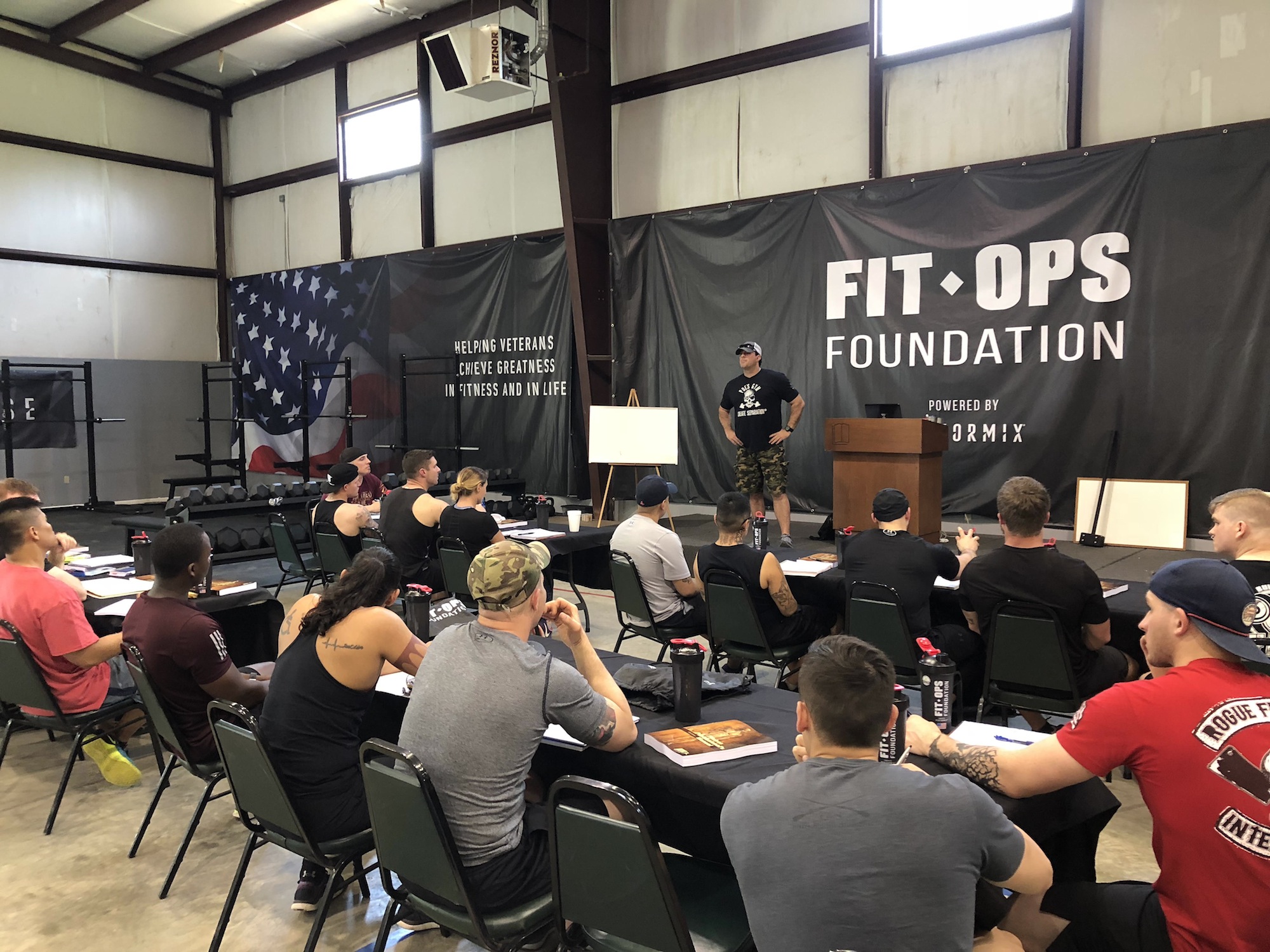
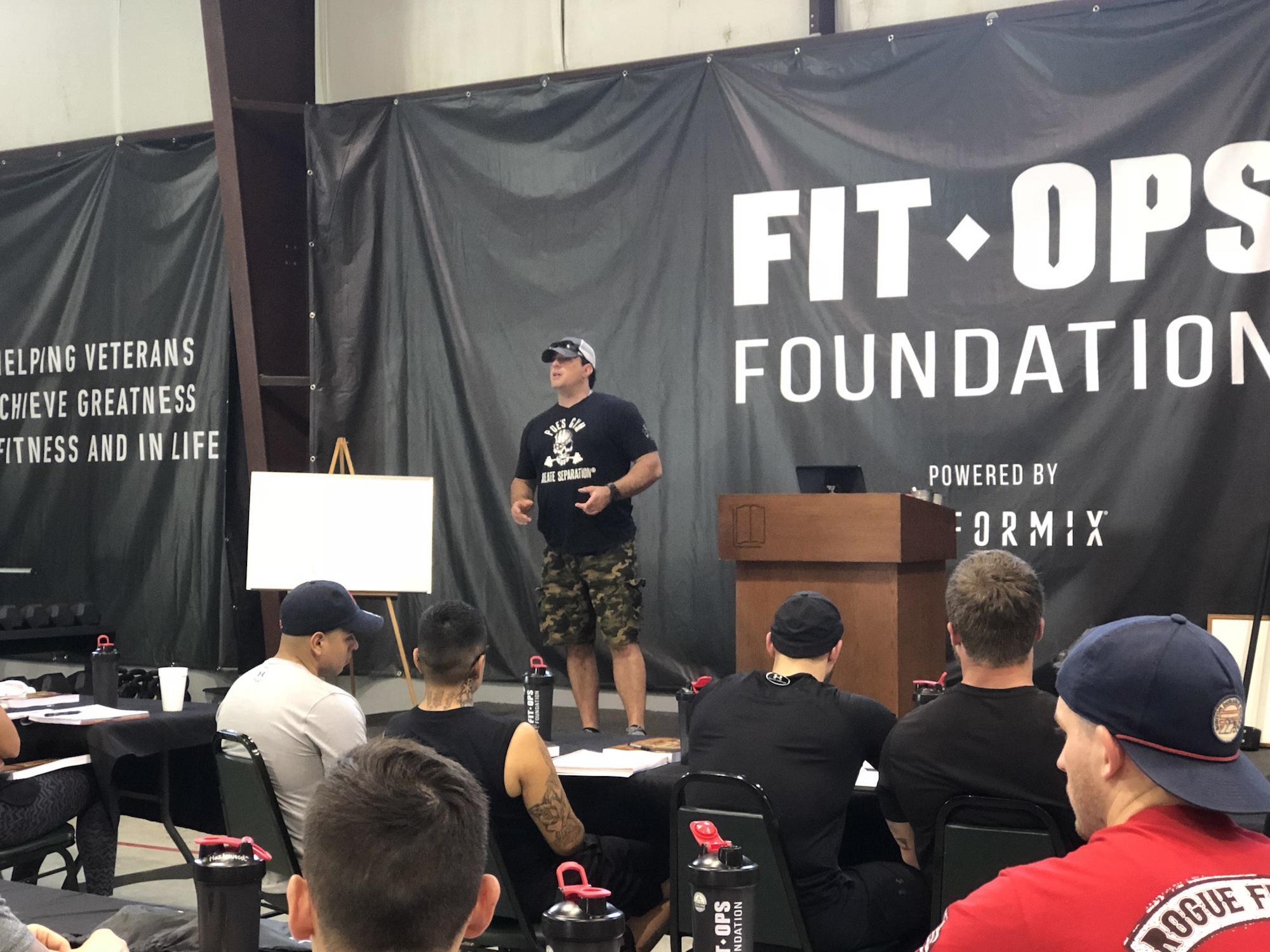
MATT POE ADDRESSES "THE TROOPS" AT THE FIT*OPS SCHOOL IN MISSISSIPPI
AS HE TEACHES ANATOMY, KINESIOLOGY, BIOMECHANICS, BIOCHEMESTRY, AND SPORTS/TACTICAL PERFORMANCE DEVELOPMENT
"IT WAS AN HONOR AND A BLESSING TO HAVE THE CHANCE TO CONTRIBUTE TO THE FUTURE SUCCESS AND LIFE SAVING EFFORTS OF OUR BRAVE PROTECTORS OF THE USA. I AM SO GRATEFUL TO HAVE RECEIVED AND INVITATION TO INSTRUCT AT THE FIT*OPS SCHOOL"---MATT POE
MATT POE CRUSHES 315 POUND ANTIQUE WAGON WHEELS FOR 8 REPS
AT THE 2018 JACKSONIAN FESTIVAL IN SCOTTSVILLE, KENTUCKY
"I WAS DISSAPPOINTED WHEN THE LIFT WAS CANCELLED AT THE 2018 ARNOLD, BUT RANDY RICHIE OF THE OMEGA STRENGTH FORCE TEAM SECURED THE APPARATI OVER A MONTH LATER AND GAVE ME THE CHANCE TO ATTEMPT ANOTHER LIFT I HAD NEVER DONE IN FRONT OF A GREAT KENTUCKY CROWD WITH THE FIRST DOLLAR GENERAL STORE IN THE BACKGROUND---THANK YOU RANDY"---MATT POE
MATT POE TO RETURN TO 2018 ARNOLD CLASSIC - CLICK HERE

COACH POE IN ACTION
"Matt always gives 100%, no question, and leaves no stone unturned when lecturing. His words over the last 21 years have inspired many and helped to lay the pathway for many successful coaches and athletes"
"Don't Stop Believing"---Coach Poe, Lifetime Journey Fan Club Member
"Spent many years with this Green Beret training in 100 plus degree weather. Thank you Bill. We appreciate you as a man, a lifter, and an operator"---Matt Poe

"I am proud to be a VOL FOR LIFE under Coach Fulmer. My experience at the University of Tennessee has made me a better business man, coach, and an athlete"---Matt Poe

"I would not be anywhere in life without weights. I hope to share the same joy with The Music City"
---Matt Poe
Fairwell to Wesley Johnson of the New York Jets who made incredible gains in an eight week period with Coach Poe.
Continue to "CREATE SEPARATION" my friend in 2016.
---Matt Poe

(From Left To Right: Clemson University Strength Coach Adam Smotherman, Pushpress King Matt Poe,
New York Jet Wesley Johnson)
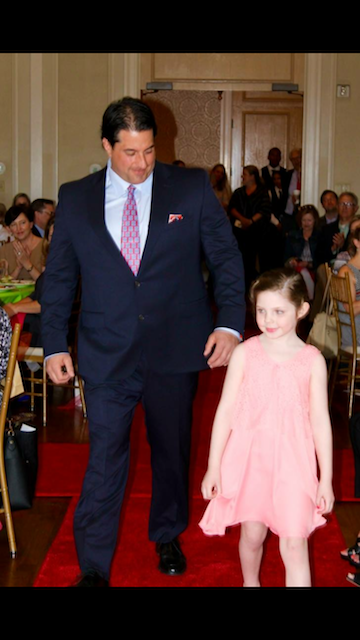
"Thank you Rally Foundation for affording me the opportunity to escort these beautiful young ladies at The 2016 Rally On The Runway in Nashville, Tennessee"
---Matt Poe

Wes Johnson of the New York Jets Creates Separation with Matt Poe in the PIT.

"I am very proud of Wes getting in uncomfortable surroundings AND "Creating Separation" while he trains with me"
---Matt Poe


Matt Poe Pushpresses 300 Pound Barrels for 10 Repetitions
To Raise Money For The Rally Foundation
Below Is The Full Training Video Of Matt Poe's Preparation
"I thank God for giving me a talent to help others through the pushpress. I remain humbled to be afforded the opportunity to support Sam Garrett and the Rally Foundation for Childhood Cancer. Thank you Montgomery Bell Academy, Ensworth, and over thirty of my sponsors"---Matt Poe
MATT POE SUPPORTS SAM GARRETT AT MONTGOMERY BELL ACADEMY'S ASSEMBLY
IN HIS CLOSING REMARKS BY BENDING A FRYING PAN
COACH POE WINS GIANT DUMBBELL EVENT AT 2015 TENNESSEE STRONGEST MAN
"To see some of my ole buddies, to have some laughs, and to get a look at a few of the future irongamers was the best part"...Thank You Randy Richie---I will always be indebted to you my frend and Erinie Lanier for the introduction to you---Matt Poe
“When you decide you want to go from being a COMPETITOR to becoming a WINNER on the platform, you must train out of the weightroom at times in extreme, in uncomfortable, and in unpredictable conditions---make your decision now---there is no tomorrow”---Matt Poe
Coach Poe to Press Giant Barrels OCTOBER 3OTH AT HALFTIME
MBA VERSUS ENSWORTH HIGH SCHOOL FOOTBALL GAME in an effort to raise money through
the RALLY FOUNDATION for MBA SENIOR SAM GARRET
HE HAS BEEN DIAGNOSED WITH CANCER
HE IS AT THE CHILDREN'S HOSPITAL AT VANDERBILT
BIG BROTHERS BIG SISTERS OF TENNESSEE EVENT A SUCCESS!
COACH POE PRESSES 10 REPS WITH 300, TURNS A 360, AND PRESSES AN 11TH REP!
"Thanks to Wade Johnson, Gentry Hale, and Kenny Henderson, my great friends. Thank you Susan Moody and Carlyle Carroll, CEO Big Brothers Big Sisters of Tennessee (my ole CPA Buddy) for letting me play a small part in your successful event"---Matt Poe
THE BBS AND EXECUTING THE LIFT
BIGGEST THANKS TO "THE LITTLES"!!!!


COACH POE TO PRESS GIANT BARRELLS AT FAMILY FUN NIGHT
BENEFITING BIG BROTHERS BIG SISTERS OF TENNESSEE
BRING YOUR KIDS!!!

COACH POE IN ACTION AS PART OF POWER SYSTEMS TOTAL TRAINING TEAM
FOR SPORTS PERFORMANCE EDUCATION
"Don't Stop Believing"---Coach Poe, Lifetime Journey Fan Club Member
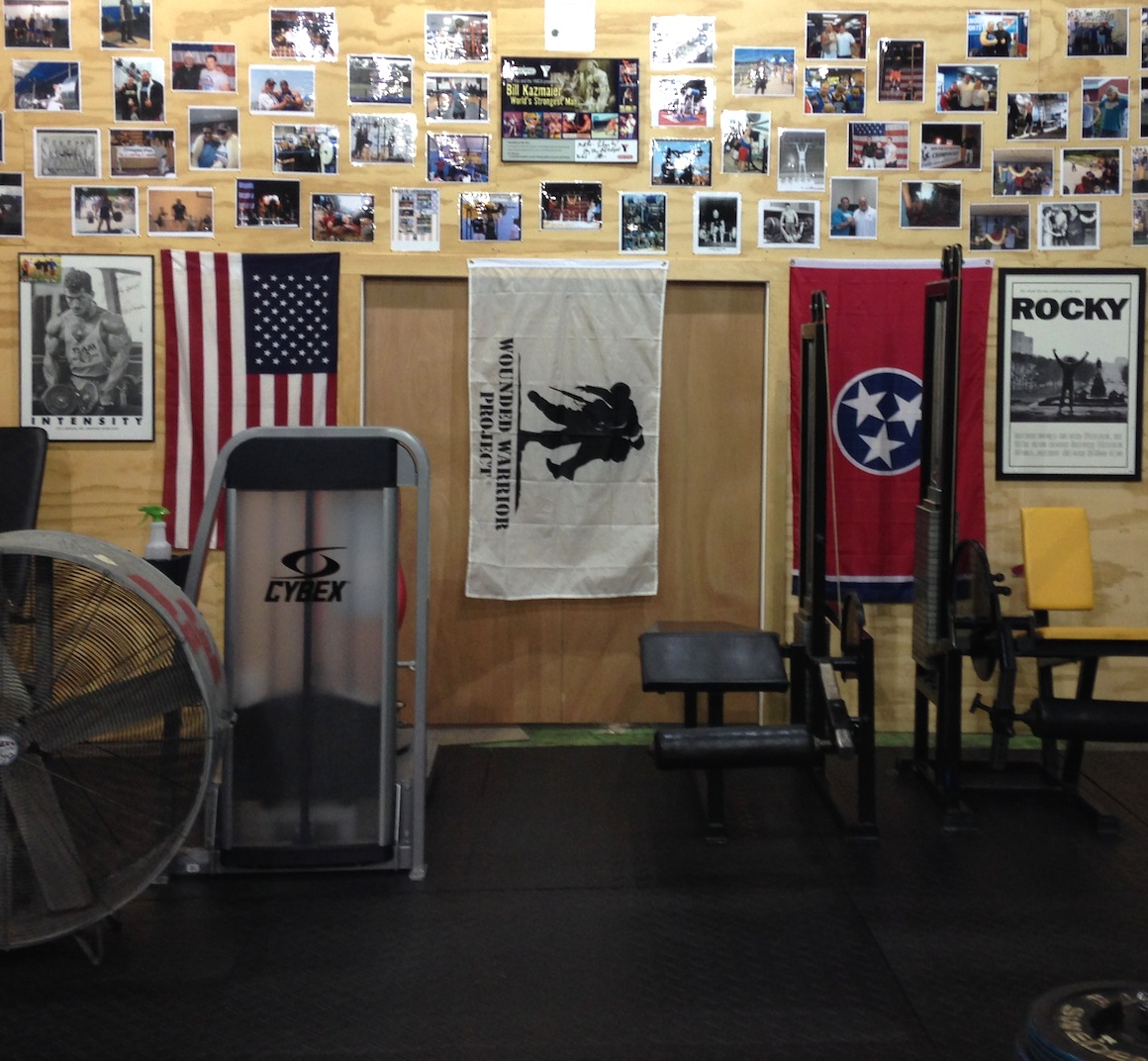
"We are pround to announce our new relationship with the Wounded Warrior Project. We look forward to serving our you."---Matt Poe
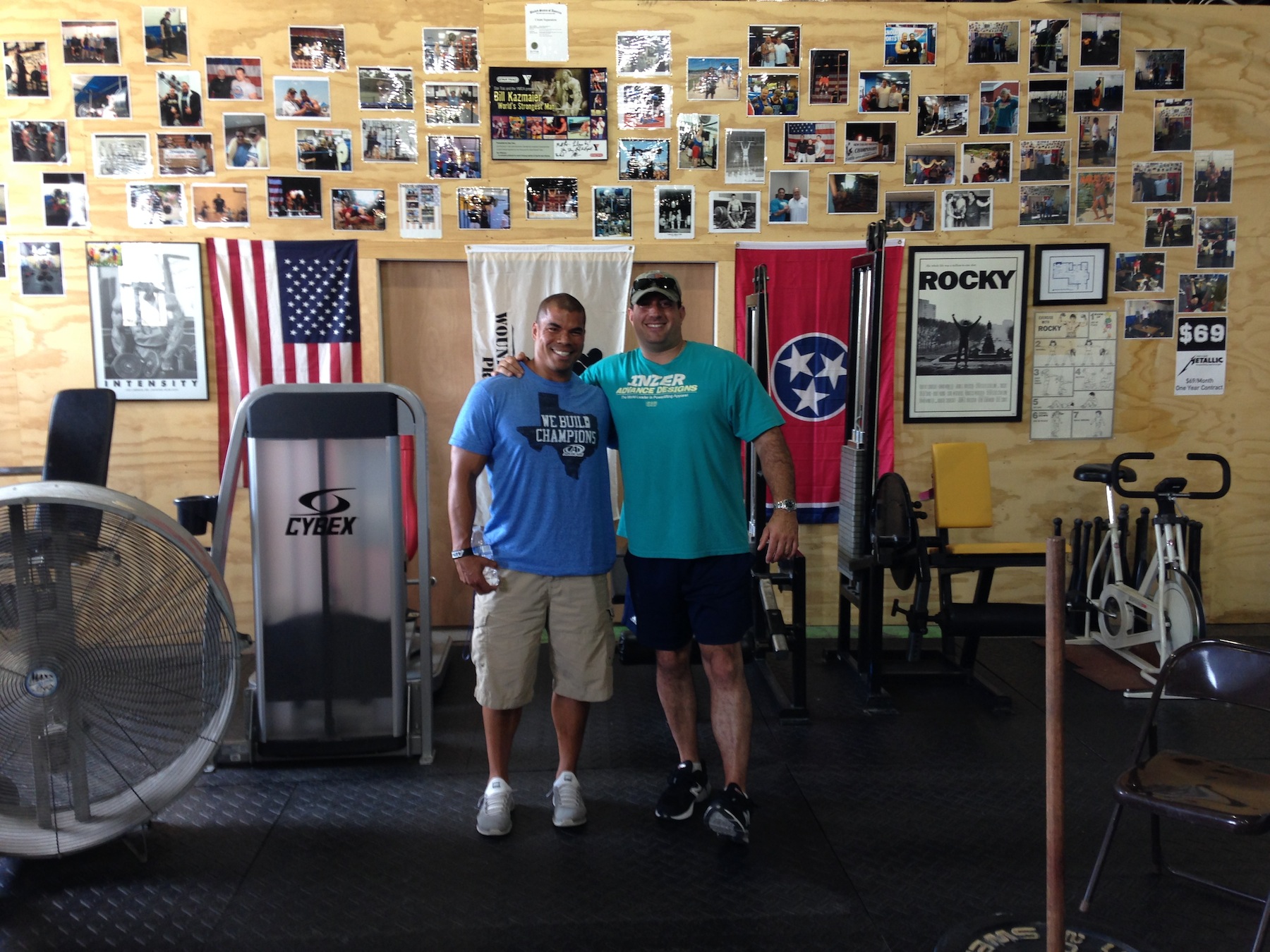
"Thank you Andy Britton, Ohio State Strength Coach, for visiting me in Nashville. You are a true class act.---Matt Poe

Coach Poe getting ready for an overhead demonstration for the Fellowship of Christian Athletes.
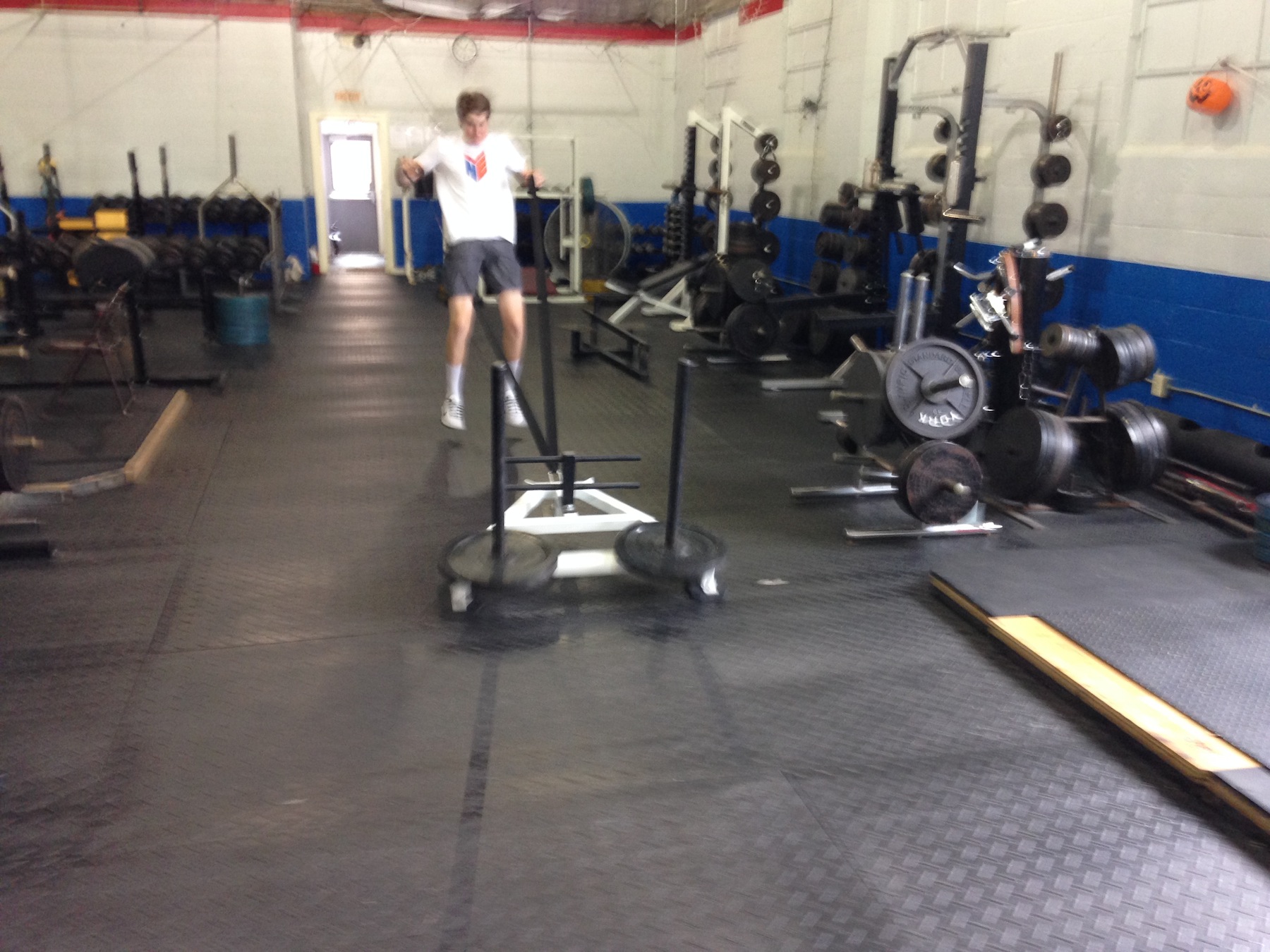
Future NHL Player, Jay Powell, works on hip explosion at Poe's Gym.

Thank you for visiting Poe's Gym all the way from Boston.

Thank you for visiting Poe's Gym all the way from Indiana.

General Robert Neyland’s (Neyland Stadium) son, Robert Neyland Jr., 85 years young, at the Nashville “Vol For Life Reunion Tour” ---what an honor ---Matt Poe

Marty Poe lerning the ropes on the pushpress.
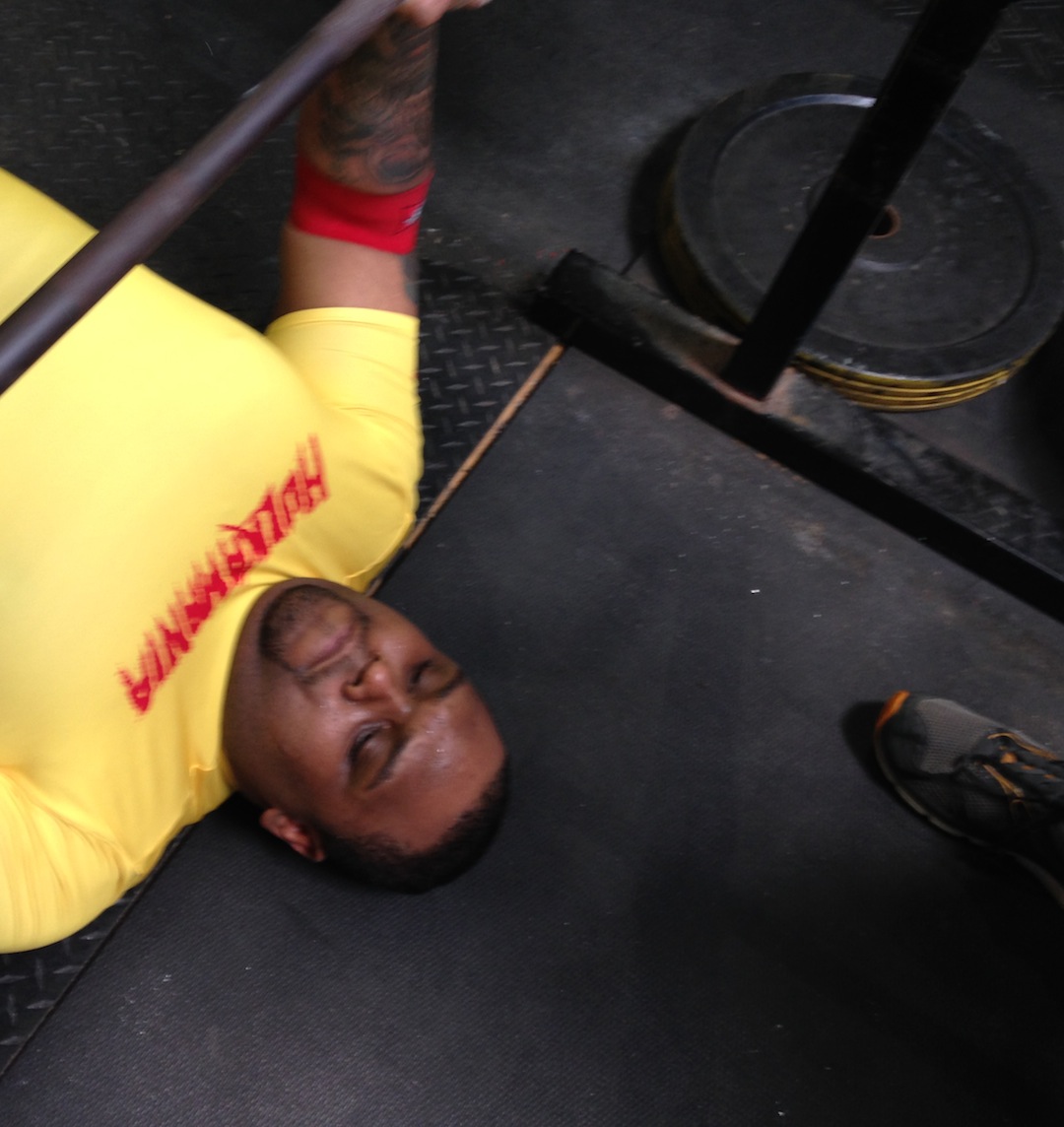
There was a day when young people were not crybabies and HulkaMania ruled the earth---go Martez!!
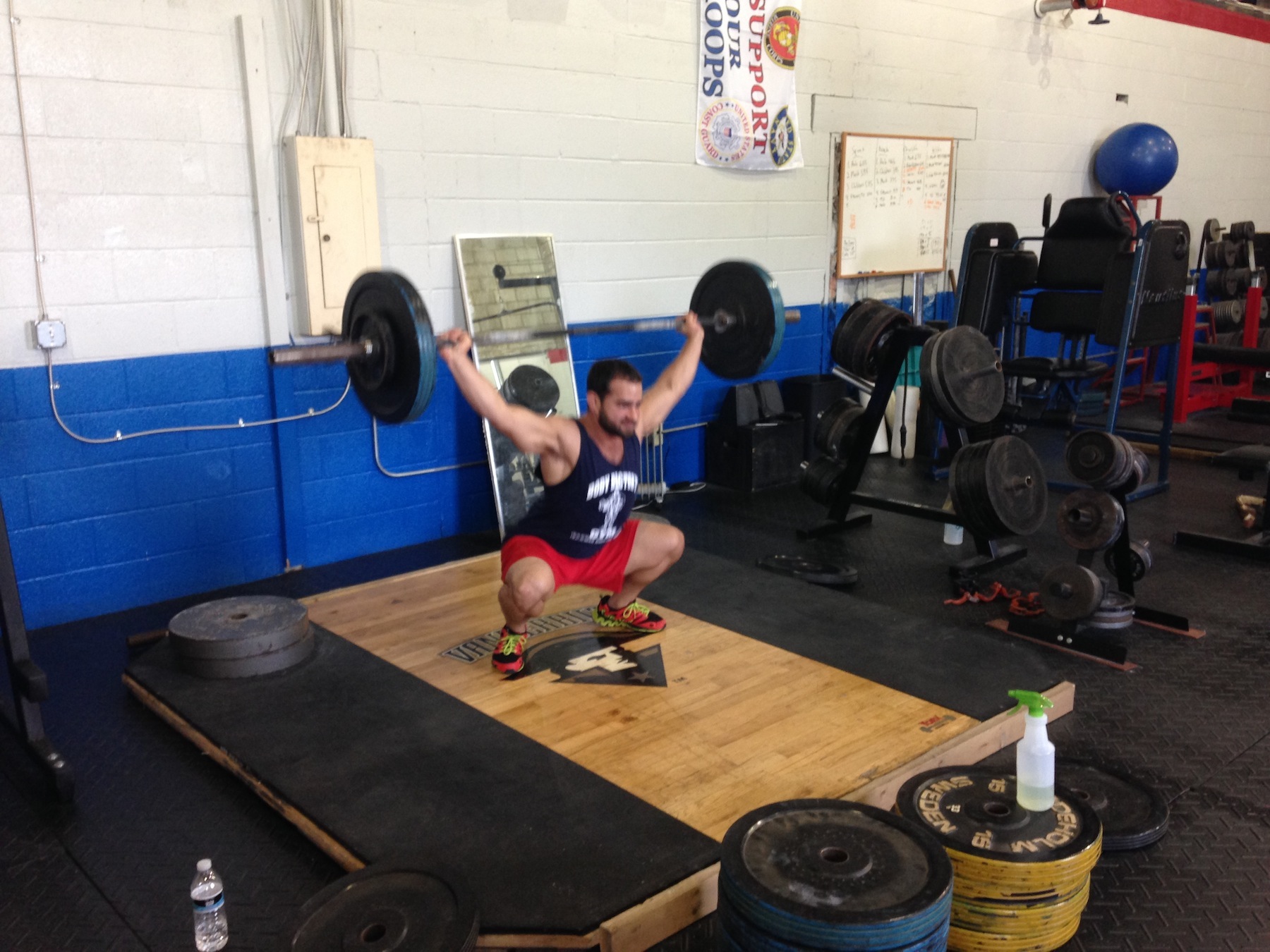
Thank you for visiting all the way from Louisiana.


Future NFL star linebacker Grant McClinton and Matt Poe visit the gym after 2 days and 10 plus hours of speed and agility work. Special thanks to Blake Harris for joining our sand work and to Dr.Charles Smith in Boston.
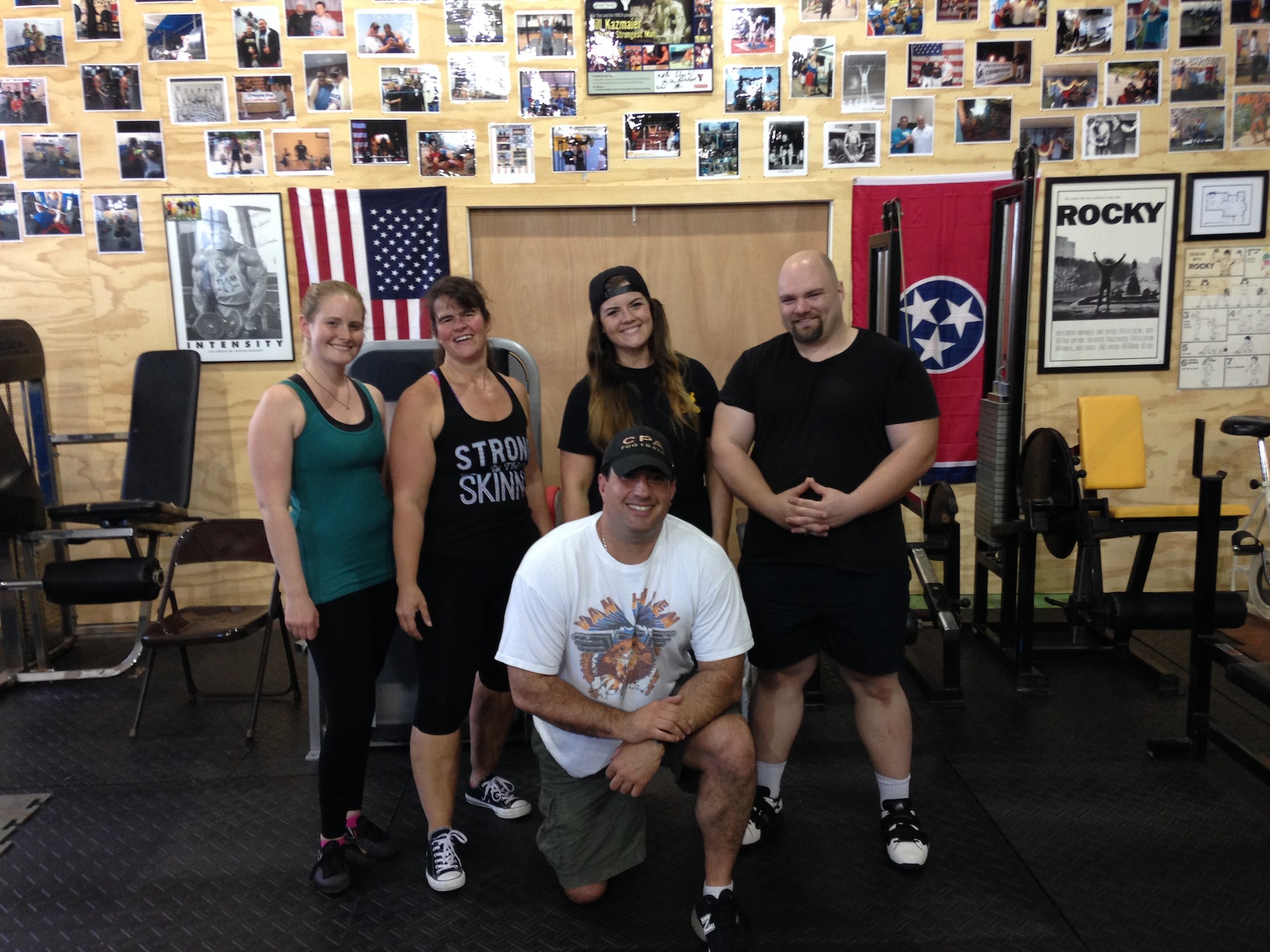
Left to Right (Katie, Trisha, Kate, and Kelly)
Coincidentally, four "unrelated" lifters from California visited Poe's Gym on the exact same day.
"I was honored and flattered that these lifters felt at home so far away from their personal gyms. I am also grateful to be able to coach Kelly who had the goal of me evaluating his lifts---champions seek champions"----Matt Poe

"Thank you Greg for visiting Poe's Gym all the way from California"
(Kneeling Matt Poe, Left Standing Greg Storiano, Right Standing Gentry Hale)

(Left to Right) Hayden Snyder, Chris DeGeorge, Matt Poe, Clemson University Strength Coach Adam Smotherman, and Gentry Hale: All Iron Brothers of the PATIO.
"Overcoming a state of remaining contraction of the muscles and the tendons is the key to grip work in sub freezing temperatures. Weight is not of primary importance. Grip training in the cold will accelerate grip strength in normal training conditions"---Matt Poe
Matt Poe Helps You Push"Press" Through A Back Injury Or Back Injury

"I was honored to be a part of my lifetime brother, Richard White's (Navy Seal Team 6, under Richard Marciko's Command) retirement ceremony in Nashville, Tennessee"

"Matt Poe and Gentry Hale....definitely powerlifters"

Coach Poe "King of Cold Water" Creating Separation the day after Christmas as he rides at night on the back of a boat in 50 degree ocean waters to train Special Forces Personnel.
"If it's being a competitor, a businessman, or working with athletes, patients, special forces personnel , or the general population---I'm ready to Create Separation---rain,snow,or shine----coldest, windiest, rainiest, hottest--- days and nights"---Coach Poe
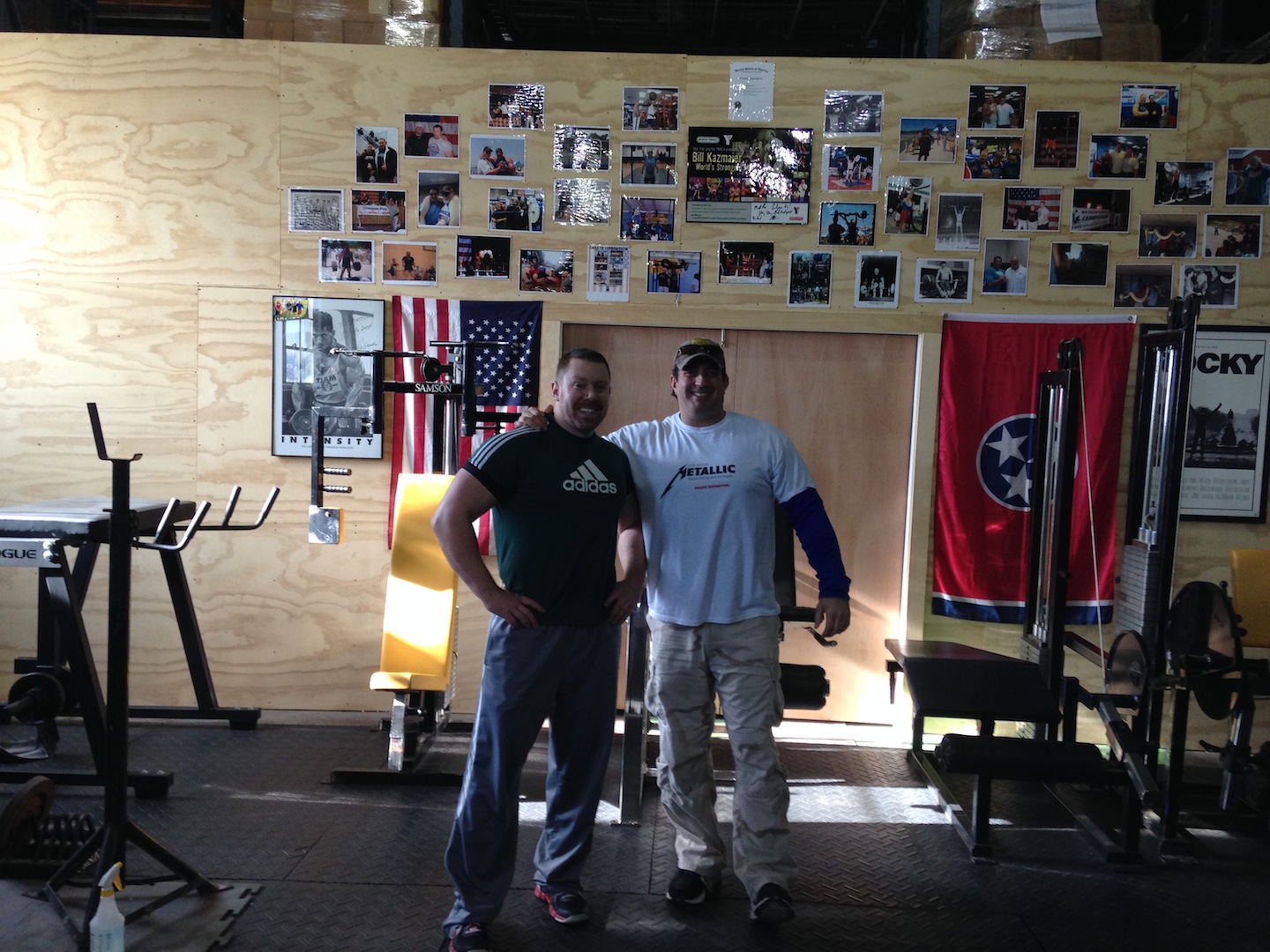
"Thank you Dan Johnson (STRONG) for visiting Poe's Gym during your rotation at the Vanderbilt Children's Hospital"---Matt Poe

(From Left to Right) Mark "Rush" Worley, Gentry (Infantry) Hale, and Anthony Hunt support Poe's Gym many, many hours a week.
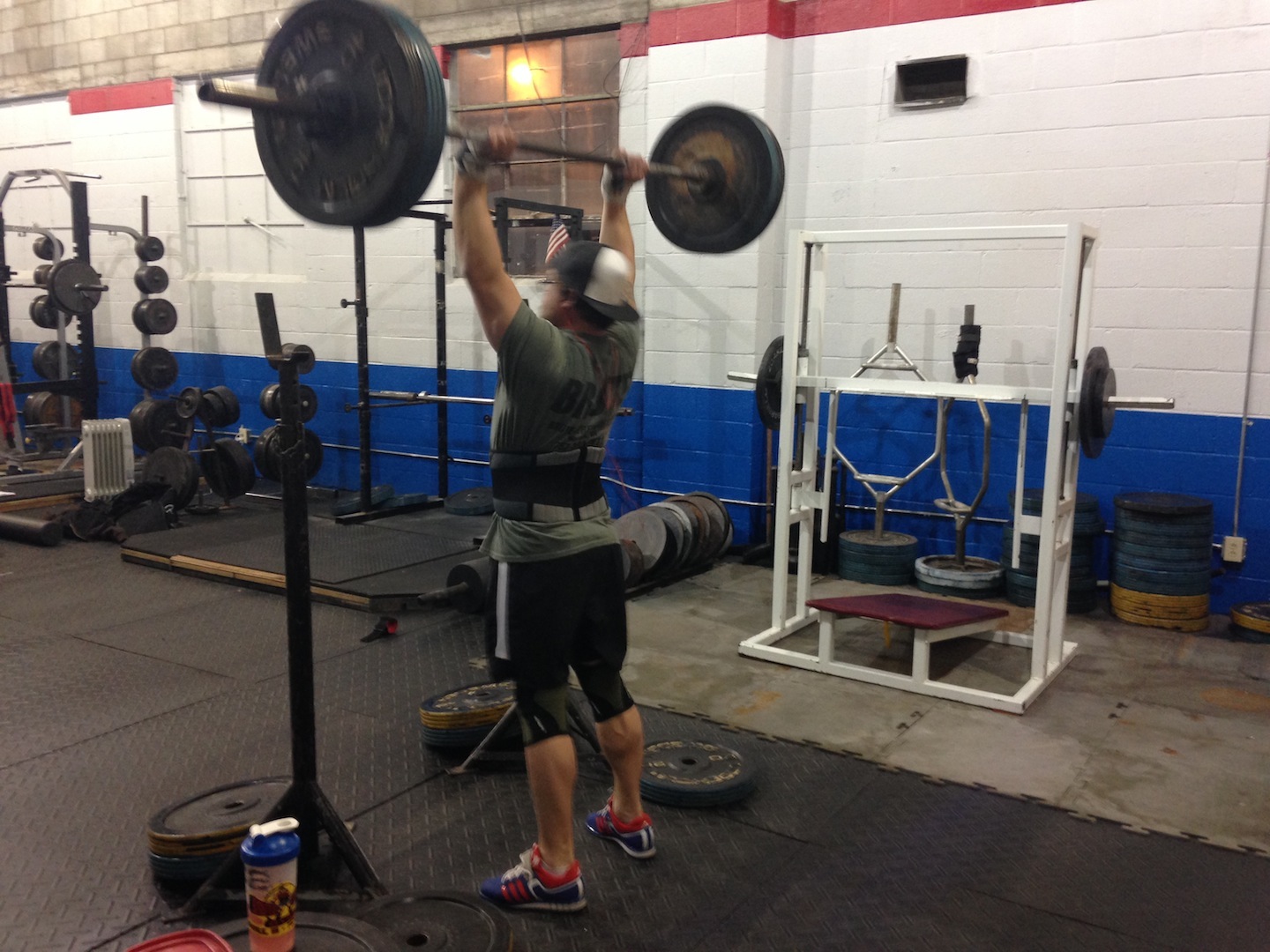
Ray Brannon, Former Navy FC3 (SW), executes the pushpress and the logpress at Poe's Gym. "Thank you for your service Ray. You always have a home at our gym"---Poe's Gym
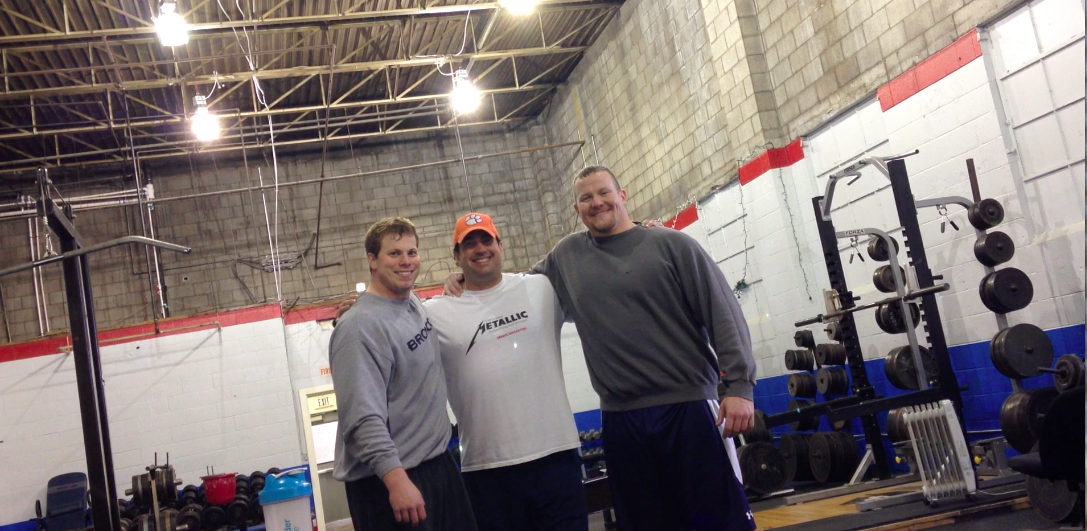

Clemson University Strength Coach Adam Smotherman (far right), Vanderbilt's Chris DeGeorge (far left), and Coach Poe hit it hard at Poe's Gym.

"Create Separation"
Coach Poe Demonstrates How To Refine Your Pushpress
"Successful Pushpressing requires constant refinement in many different planes of movement"---Coach Poe
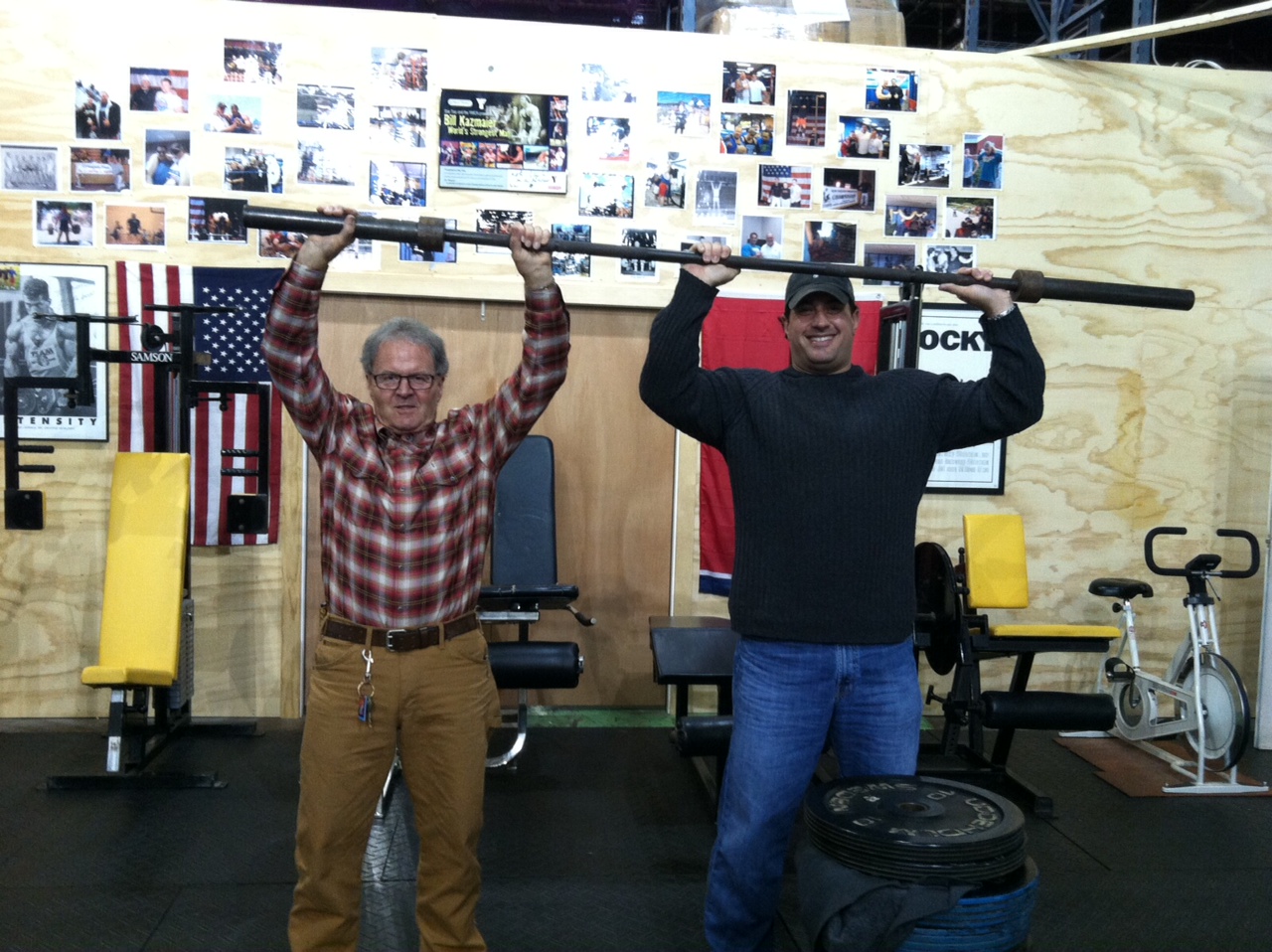
Russ Farnsworth (Bodybuilder) and Matt Poe (Powerlifter) compromise with a tandum pushpress.

A few guys and gals at the Poe's Gym Christmas get together.
Matt Holder staying faithful during the holidays.
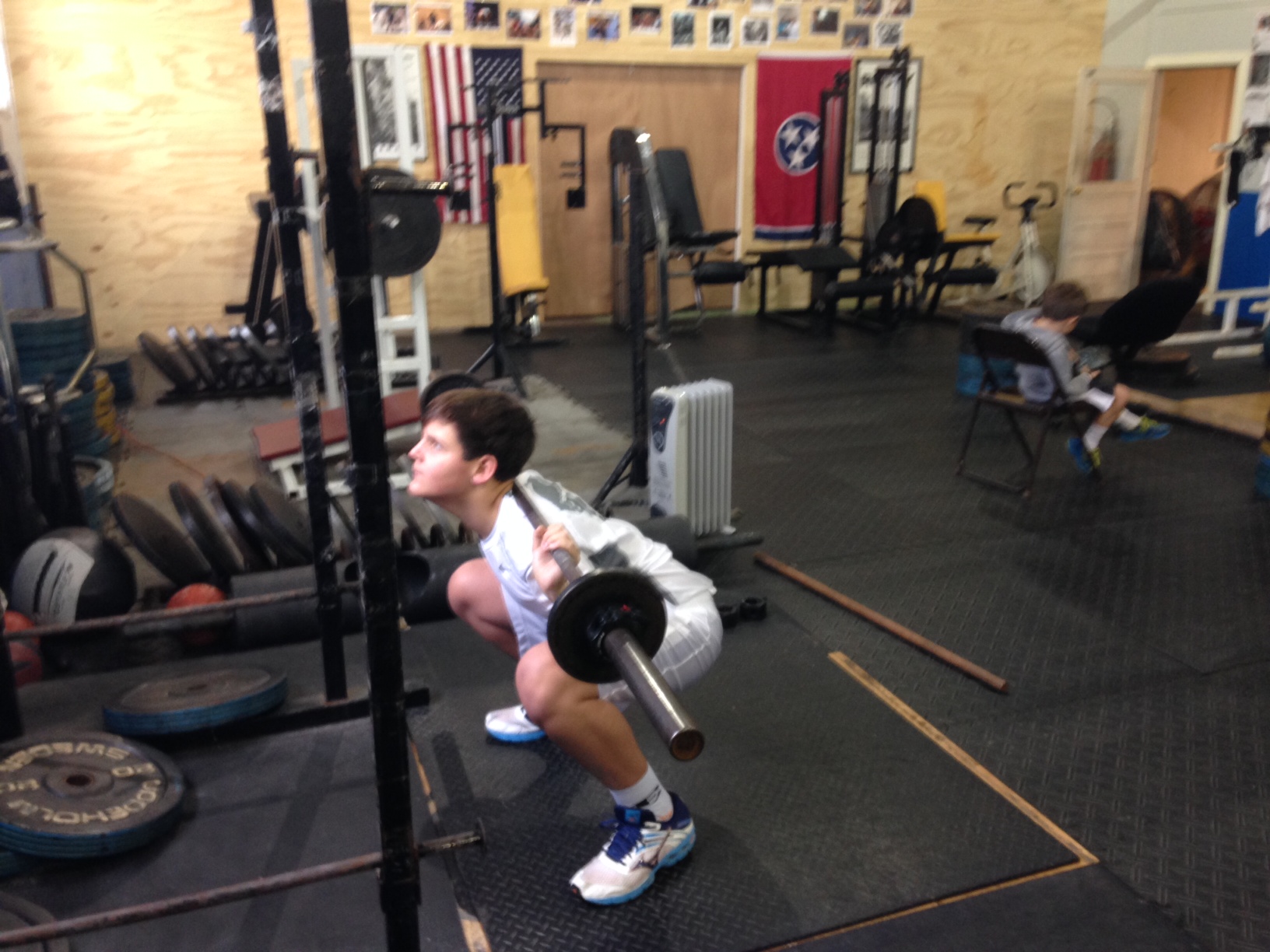
Colyer Haddock executes his first ever squat off the "Mule".
AT POE'S GYM - POESGYM.COM - 11/13/14
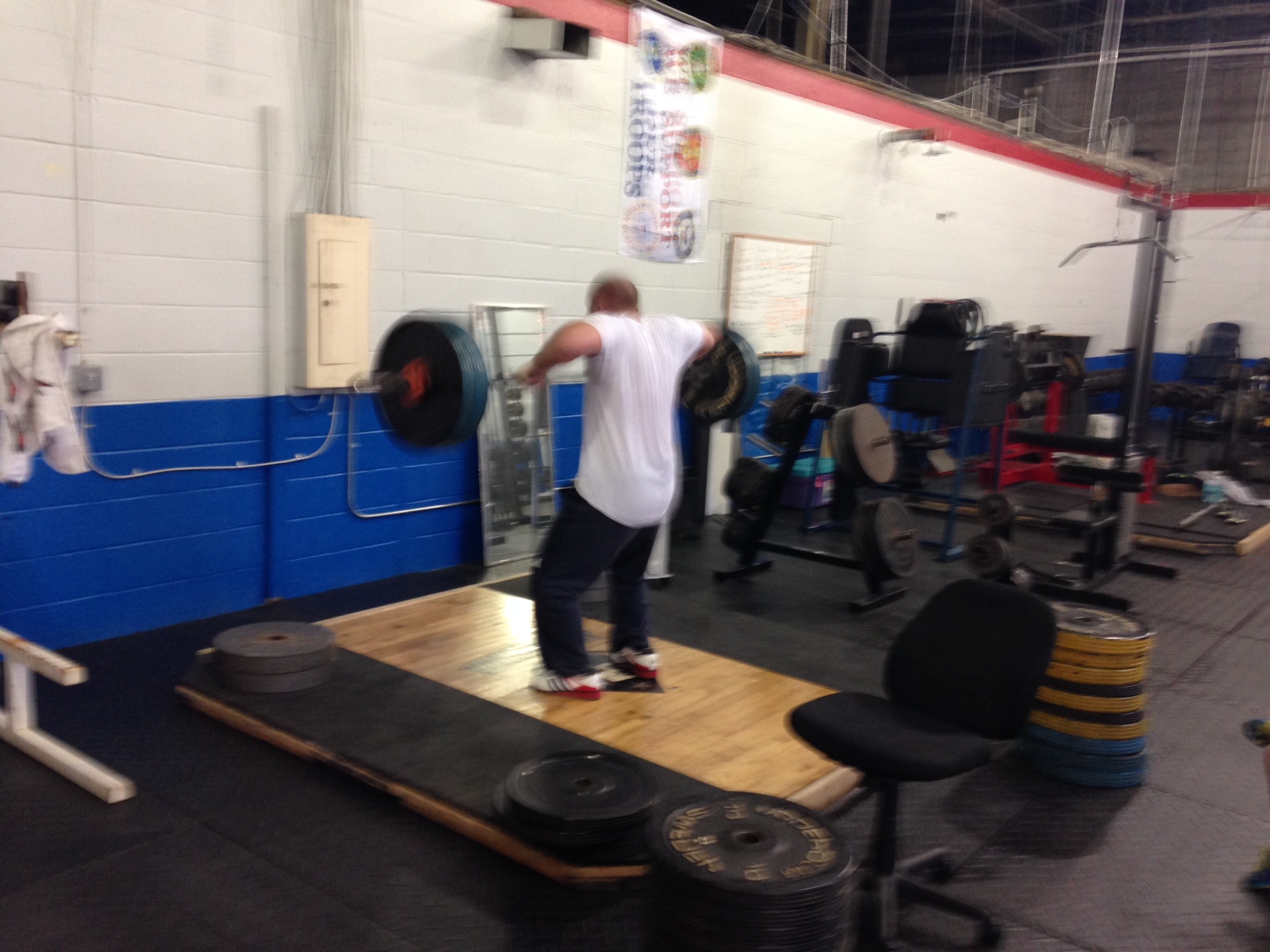
Tonight, we all witnessed two professionals, our Special Operations Brother using a "push jerk technique" and Matt Poe using a "push press technique". For all who were at the gym, you saw two strongmen "finish" and "miss then hit"...a lesson in "never give up" and essential to being a professional. Thank you for making our friend feel at home at Poe's Gym. Thanks to all members who were encouraging these guys.


"Poe Push Press Technique"
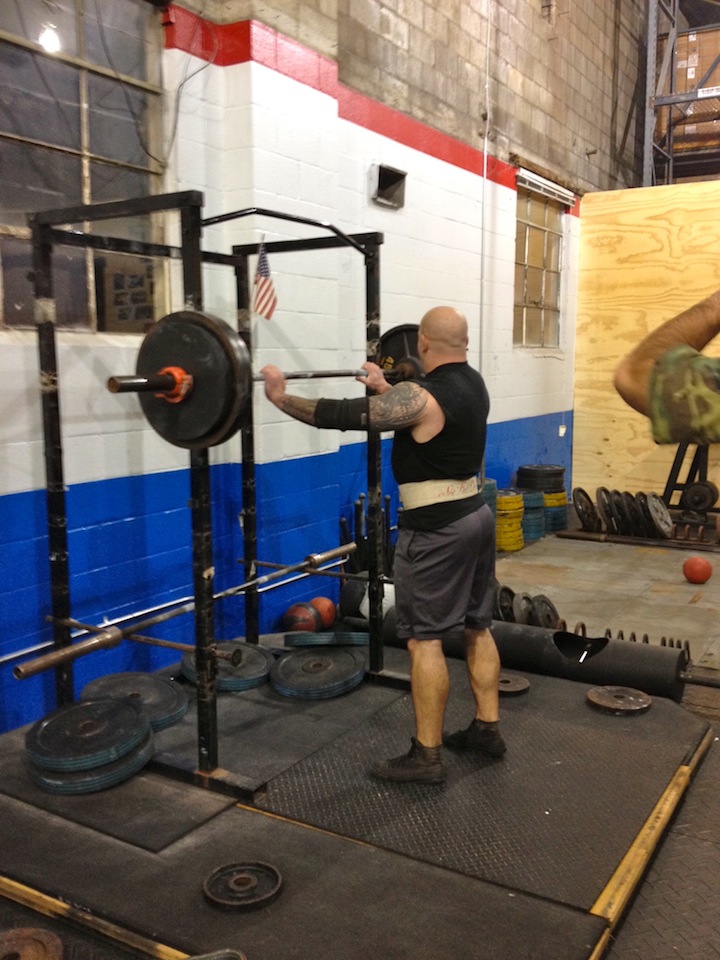

"Special Operations Brother Push Jerk Technique"

One of Poe's Gym's Special Operations brothers.
(Below)


VETERANS REMEMBERED 2014 - THANK YOU!

GO USA!

With Coach Poe's support, Ayden Wise conquers the mega dumbbell set.

Kerney - Majors - Poe
VOLS FOR LIFE
October 4th, 2014
Tennessee vs. Florida
MATT POE SPONSORING
"THE BARBELL OVERHEAD PUSHPRESS EVENT" - SEE BELOW
AT THE WASHINGTON STATE FITNESS EXPO
August 16th, 2014
PRESENTED BY SEAN "SEANZILLA" KATTERLE
"My goal, in the support of this event, is to promote the disclipline and my coaching of overhead pressing . In my opinion, being a multiple pushpress champion, there are no more challenging lifts than these..."--- Matt Poe

POE'S GYM NOW OPEN! - NASHVILLE, TENNESSEE

Coach Poe Latest Event and Camp Schedule

"I leave nothing in the tank at work, lifting, or motivating"---Matt Poe
Nashville, Tennessee, John Baer Lacrosse Camp, Learning The Correct Warmup, February 15, 2014
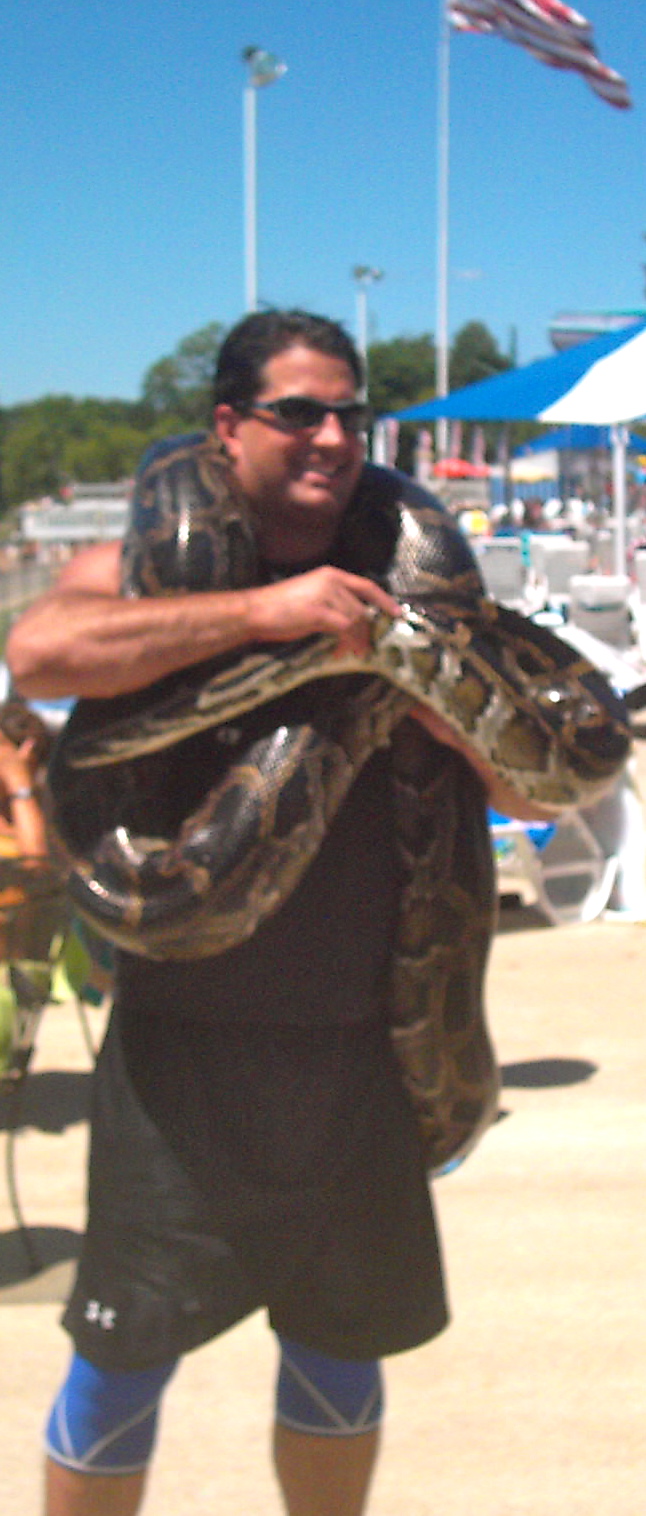
Wildhorse Saloon Nashville, Tennessee – Motivational Snake Lift For Corporate Salesforce With The Snake Hunter and One Of World's Largest Burmese Pythons – March 11, 2014
Henderson, Las Vegas, Speed for the Game Camp, VanHook Sports Performance Training – July 11th (Classroom) and 12th (Field/Weightroom Work) , 2014
Coach Poe Endorses Blake Harris for his run at professional football.
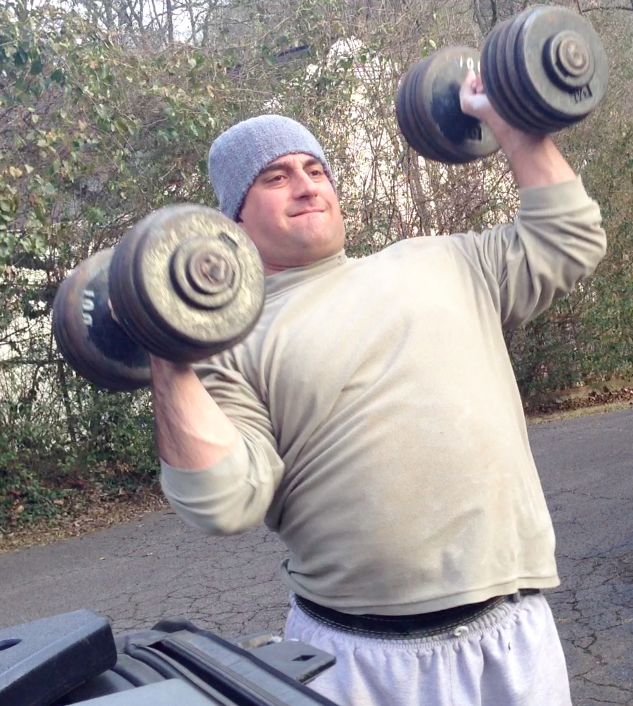
"I'll always remember that Matt Poe told me to compete in overhead, overhead exercises were necessary every day--but TO WIN the alternating dumbbell press from a hang clean or the ground is necessary at least one day a week with high mental intensity and focus--I love you Coach Poe--how the hell do you keep doing it...you are a true cowboy my friend"---Kevin Braxton, Strongman
HAPPY BIRTHDAY WISHES TO COACH POE FROM FORMER TENNESSEE TITAN WIDE RECEIVER CHRIS SANDERS AND RUDY KALIS OF CHANNEL 4 SPORTS
Chris Sanders on Coach Poe
Rudy Kalis on Matt Poe
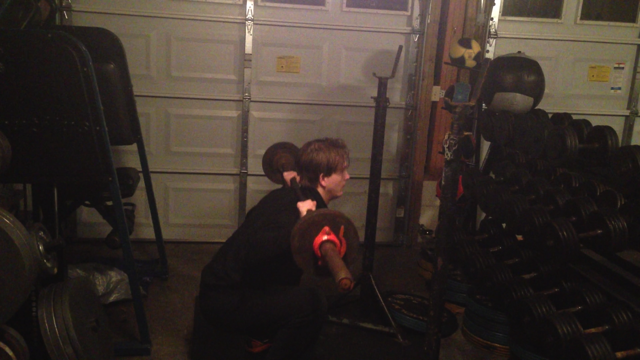
Jack Thompson 1st squat ever with a barbell out of squat stands--congratulations!
"Coach Poe still doing it---passionate about teaching other professionals about speed development"
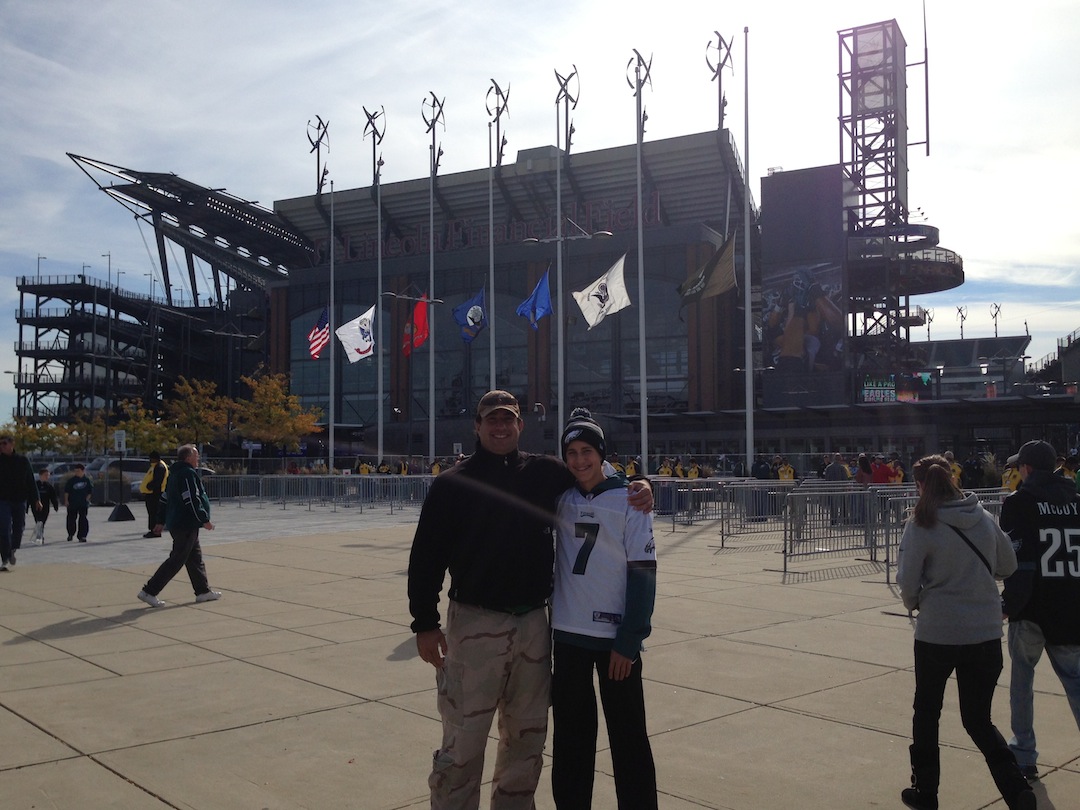
"Matt and Brannon Poe---true Eagles Fans"

From Left To Right "The Future of College Football For University of Memphis Hayden Snyder and Jay Hines of The University of Tennessee"

From Left To Right:(Adam Smotherman Clemson University Strength and Conditioning Coach, Tommy Chadwell Auburn University Strength and Conditioning Coach, Matt Poe A Special Force)
"The greatest compliment is when these guys come home, they want to hit the Patio and my garage--our friendship beginning from coach to athlete AND NOW true iron brothers is awesome----most proud of these guys following their dreams---any program is lucky to have these men leading athletes"----Coach Poe

Far Left: Chris DeGeorge "Mr.Bench Press" remains an iron horse as a present day Vanderbilt football alumnus.


"Just Ugly"

"Real lifters walk out from squat stands"---Coach Poe

"Warming up with double overhand grip---enough said"
COACH POE SETS ANOTHER WORLD RECORD AT PETCO STORE IN TENNESSEE!!!
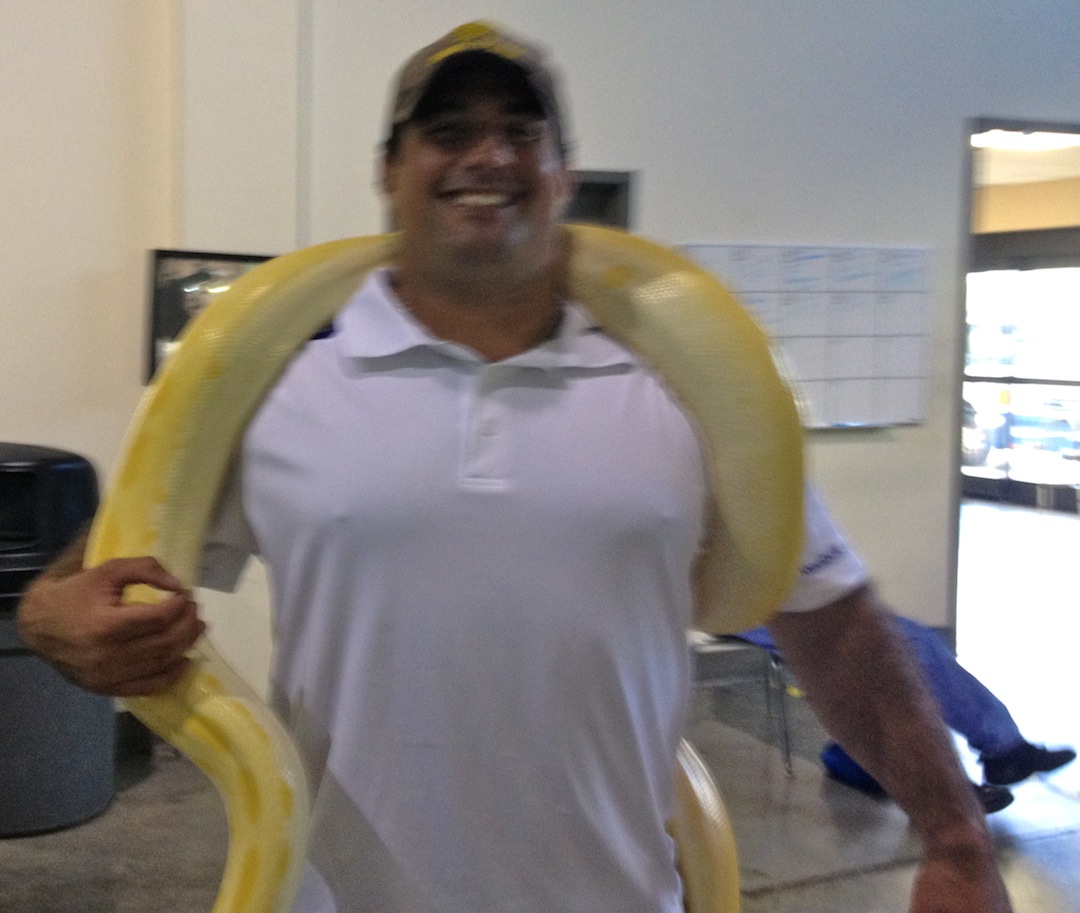
PUSHPRESSES ONE OF WORLD'S LARGEST ALBINO BURMESE PYTHONS!
"I hope we can do more promotions together on a nationwide scale for PETCO"---Coach Poe
"I have to admit that this pushpress was one of the harder lifts overhead that I have ever executed---the weight distribution was most challenging---nothing ever balanced out---but my technique and experience enabled me to be successful"
---Matt Poe
"Thanks to Petco, Ernie Lanier, and Sterling for the invitation"
The snake was 16 feet, 255 pounds, plus 45 pound bar
"In free weight language, the lift felt like an unbalanced 365 pounds"---Matt Poe
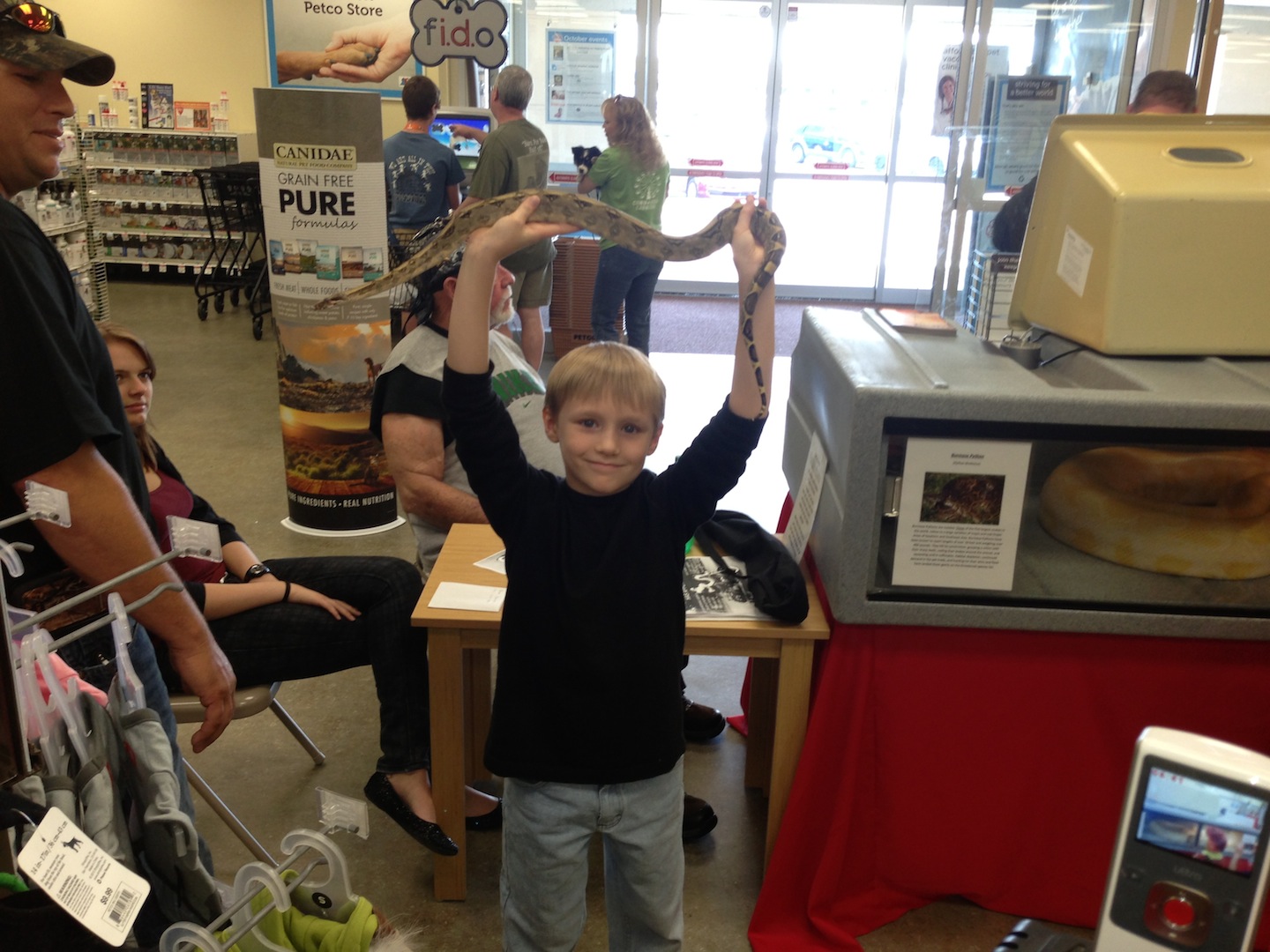
"Inspiration manifests in many different ways---future reptile powerlifter"
ATHLETES WITH GOALS

Pitcher Jack Goodrum of Montgomery Bell Academy works on plyometric jumps.
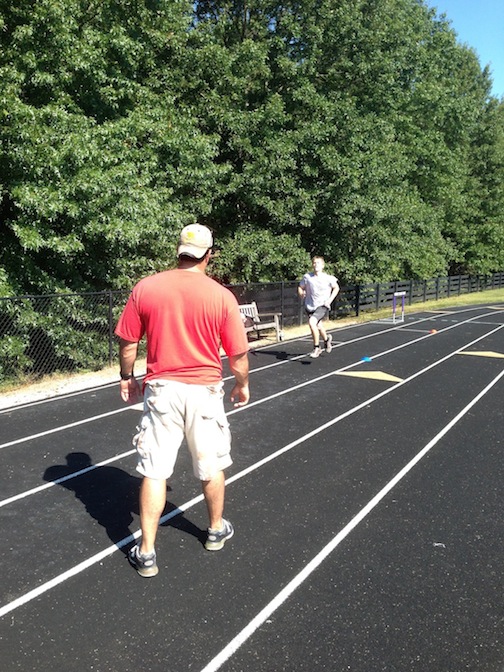
Coach Poe looking on at pitcher Jack Goodrum of Montgomery Bell Academy Baseball as he completes his potentiation circuit.
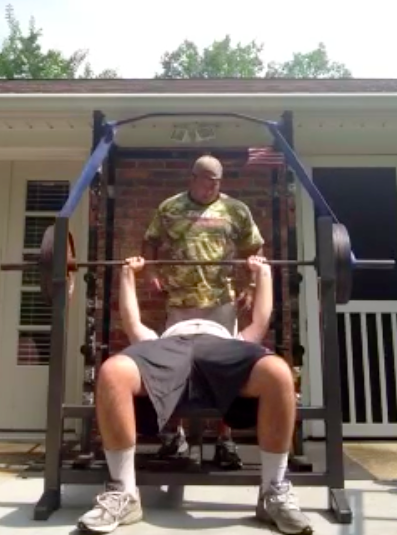
Jay Heins works on his bench press preparing for the University of Tennessee.
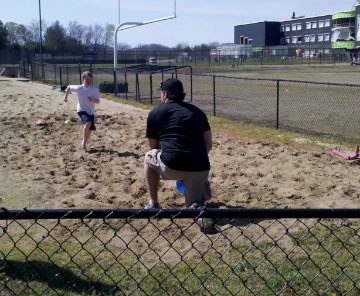
Ellie King working on power in the pit.

Jack Thompson works on his triceps.

Ellie Faber works on hip flexibility and foot reaction with "Agility Lanes".
Happy Birthday America Fourth of July 2013!!!

"God Bless America, Family, Iron, and Our One Nation Under God"---Matt Poe

Congratulations to Bill Frazier---New Green Beret of The United States Army Special Forces
"I have known Bill for a long time. He is not only a great lifter, but a great friend. We are most proud of his outstanding accomplishment----AND just beginning"---Matt Poe
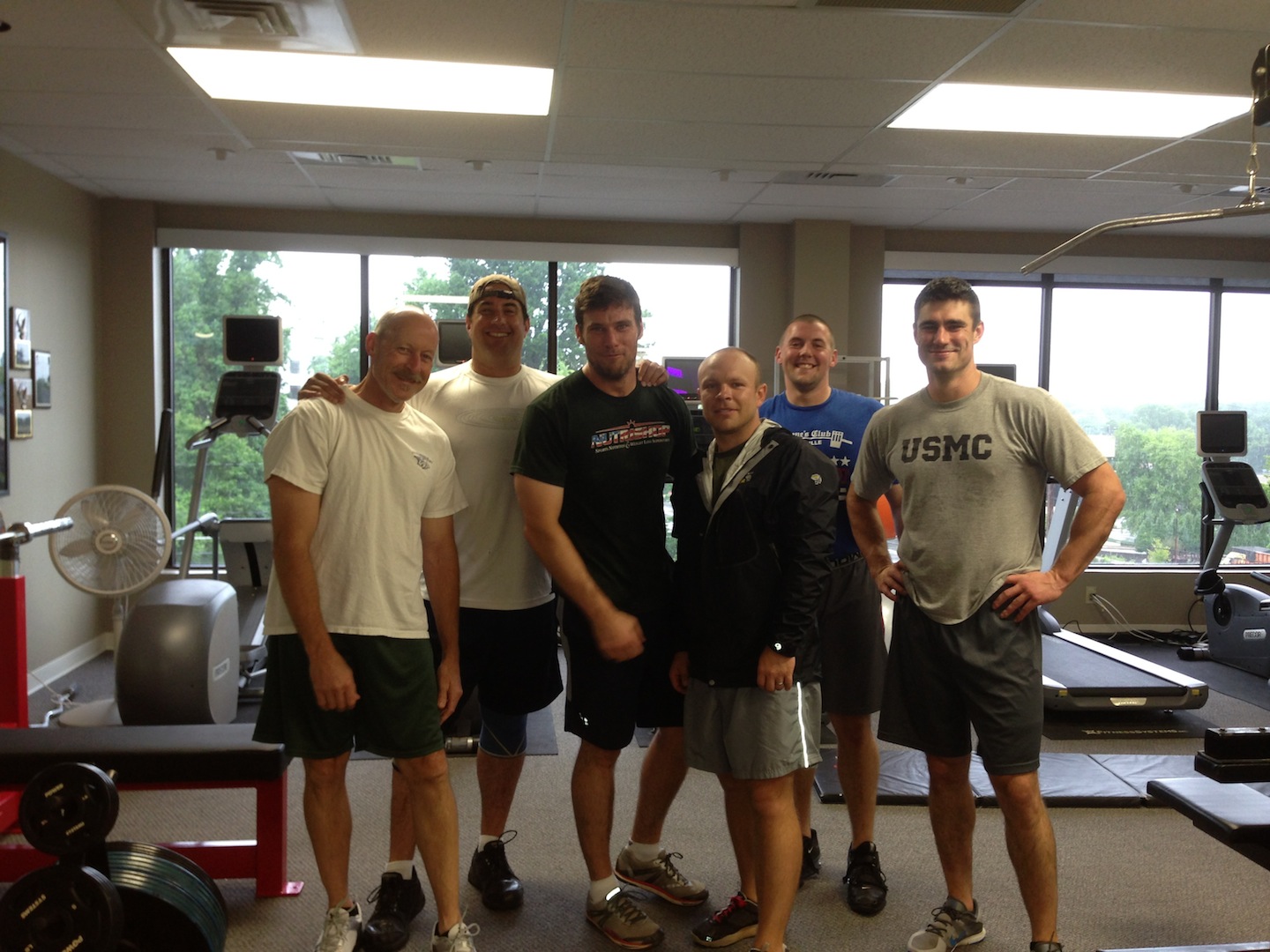
Coach Poe continuing to look like the yougest person in this picture with people who did not settle for just hot dogs, potato chips, and reality television to celebrate the 4th of July.
"We celebrated with iron, sweat, immortal power output of course, and American Pride"
(Left to Right: Jim Chadwell, Matt Poe, Bill Frazier, Nigel Green, Tommy Chadwell, and Harlin Hickerson)
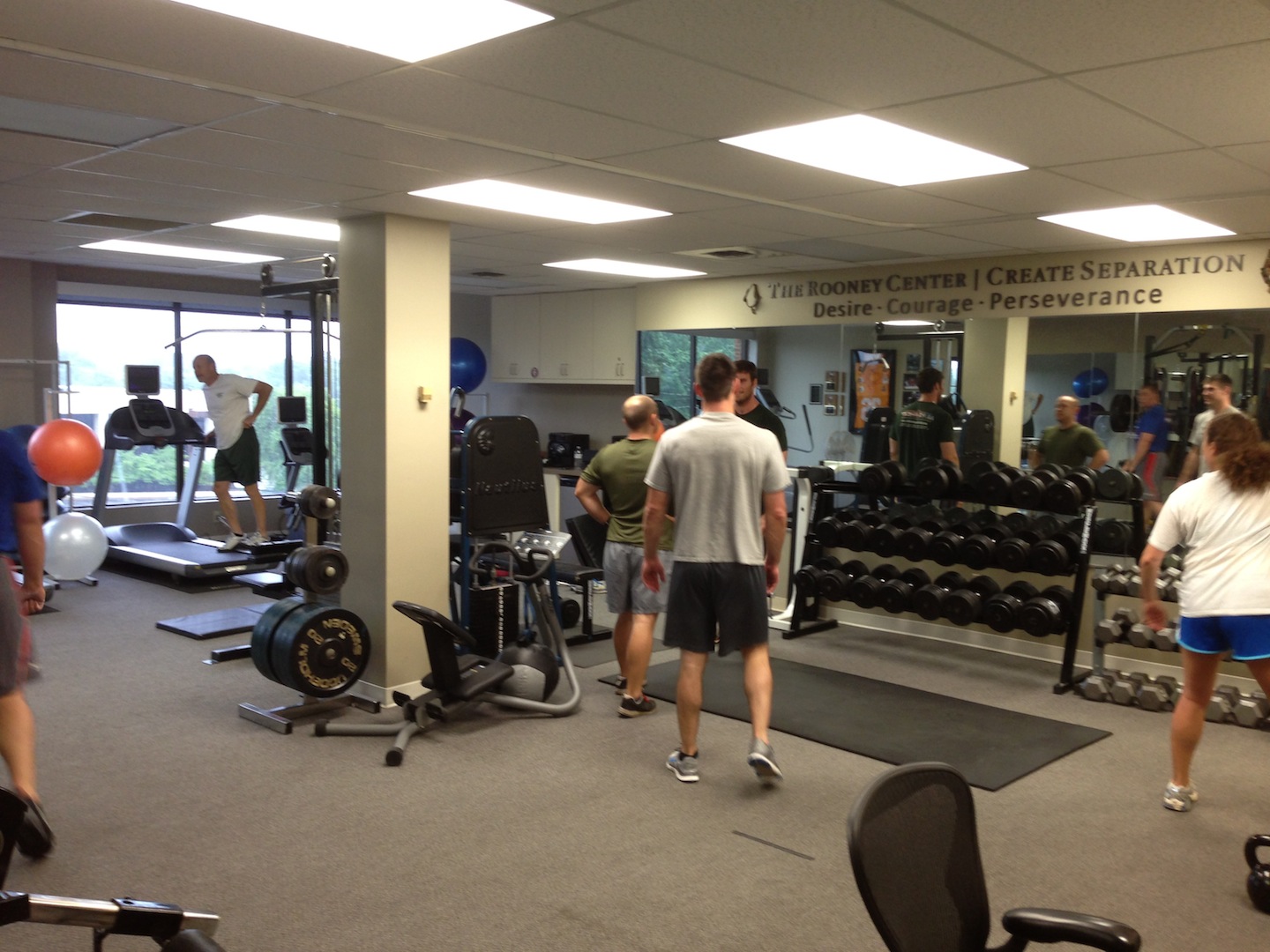
Merely a good look at the gym while everyone seems to be resting.
"Coach Poe executes a rehabilitation workout during his month of "non-weight" training before the preparation for Newport, Oregon's Pushpress Competition hosted by Hardcore Powerlifting and promoted by Sean "Sean Zilla" Ketterle.
"I am pumped and grateful to God to actually be able to get on the platform again after what was said to have been "a career ending injury". Sean and I have communicated and I feel his meet will be well run and give me an opportunity, God willing, to do what I love---PUSHPRESS!!
"Professionals get strength endurance confused with what I am doing in this video--POWER ENDURANCE"---Coach Poe
Athlete, Coach, and Military Personnel Pictures
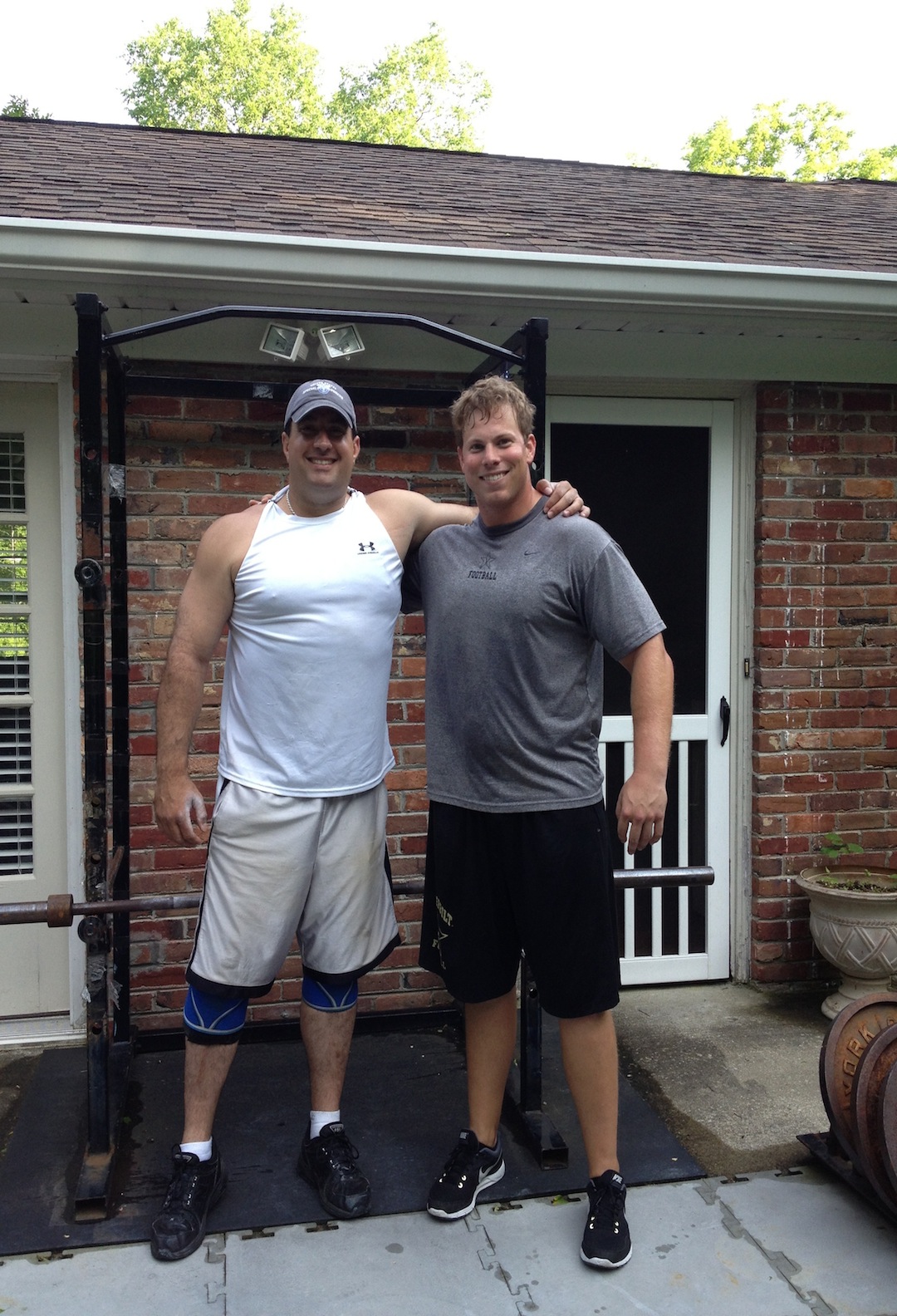
Coach Poe and Chris DeGeorge (Former Vanderbilt Fullback 2007-2009) after 400 sets of 1 rep on the bench press.
"Chris and Tommy don't know when to quit---as a matter of fact---they are at their strongest point when most men are at their weakest point....my personal favorite place to be"---Coach Poe

(Left to Right) Tommy Chadwell and Chris DeGeorge make the right choice to "Create Separation" at the ONLY REAL powerlifitng location in Nashville---Matt Poe's Patio.
"God has placed his blessing on my Patio---a place many champions of the past, present, and future exchange pain---if they have made the decision to reallly build strengh and power (a hard decision to make for most low testosterone yuppies)---please don't spit or lean weights on my concrete or you may just not complete all your sets with success"---Coach Poe
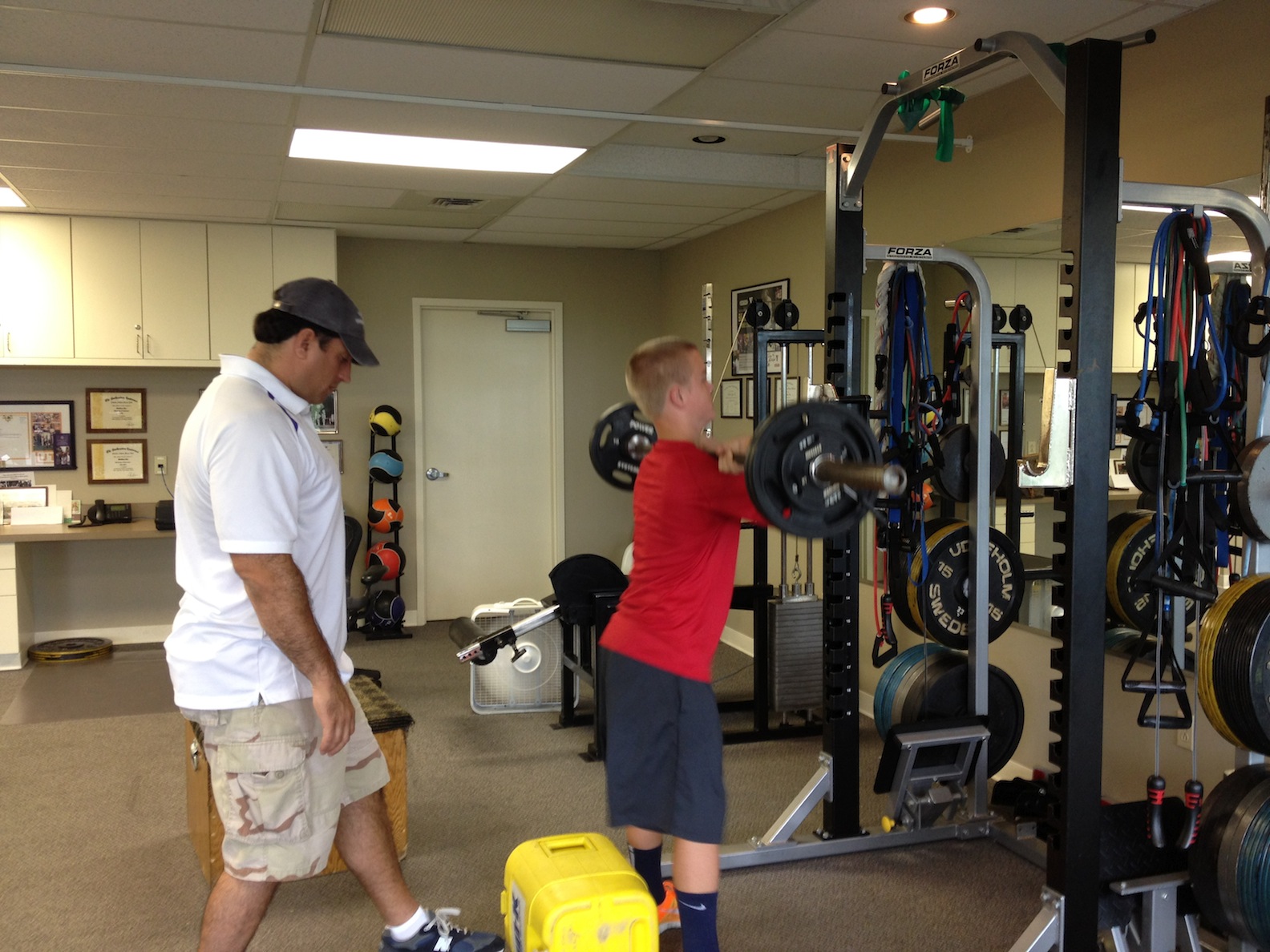
"Preston Kannady of Brentwood Academy works on his front box squats---he lives our philosophy of "creating separation"---Coach Poe
"Coach Poe met up with his old pushpress partner at the Prospect show"
"It was good to see my old friend, but even better to say goodbye"---Coach Poe

"Neal "The Thrill" Kerney (last man to run the football for legandary Coach Johnny Majors at the University of Tennessee) is a great American Army warrior and one of my best friends"---Coach Poe

(Left to Right) Harlin Hickerson (Marines), Bill Frazier (Special Forces), Matt Poe (A Special Force), Gentry Hale
"I have been working out and coaching these guys since they were in high school--I feel honored they have remained my friends and workout partners after all these years--America is lucky to have them on our side"---Coach Poe

(Left t right) Gentry Hale, Matt Poe, Wade Johnson
"Thanks Wade for all your help with my training cycles and Gentry's"---Matt Poe

"Rally Kid Karli is stronger than any athlete I have ever worked with as she defeats cancer"---Coach Poe

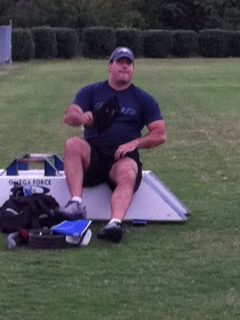
Matt Poe prepares for "The Fellowship of Christian Athletes" demonstration in Tennessee.
Pictures are representative of Coach Poe taking his hat on and off every ten seconds....
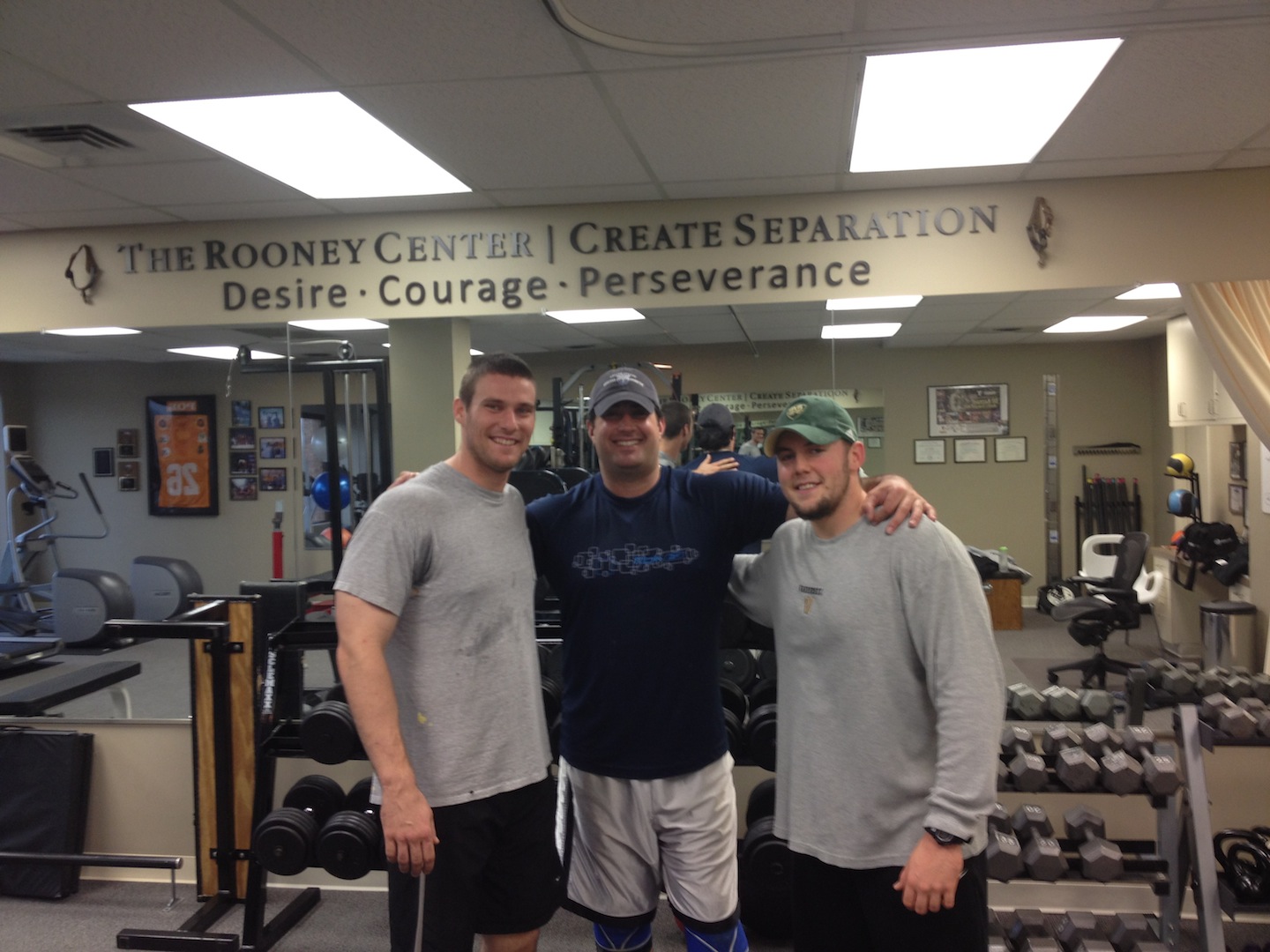
(Left to right) Bill Frazier (Special Forces), Matt Poe (A Special FORCE), Tommy Chadwell (UT Chat Strength Coach)
Always Lifitng

(Left to right) Gentry Hale, Matt Poe, Blake Harris
Montgomery Bell Academy Rally Event Fundraiser For Childhood Cancer Research
"This lift will always be special considering I was able to use my talent to raise money"---Coach Poe

(Left to right) Navy Seal Richard White, Theresa White, Matt Poe, and Neal Kerney
"These guys are my heros and friends. I take great pride in being a part of their lives"---Coach Poe
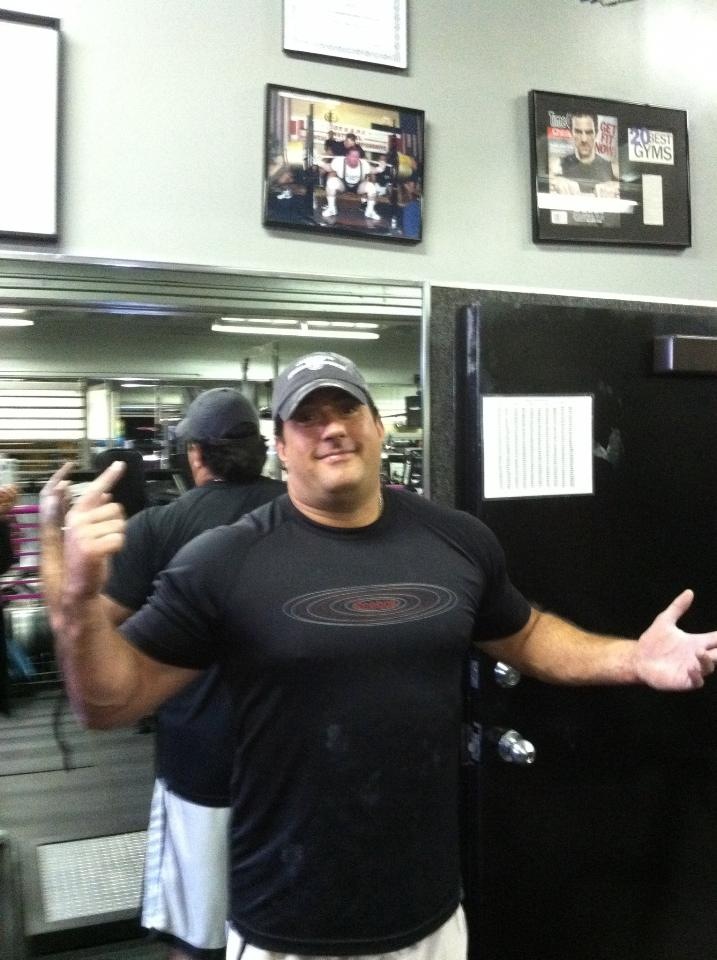
"My workout in Chicago at QUADS gym with my friend Ed Coan"
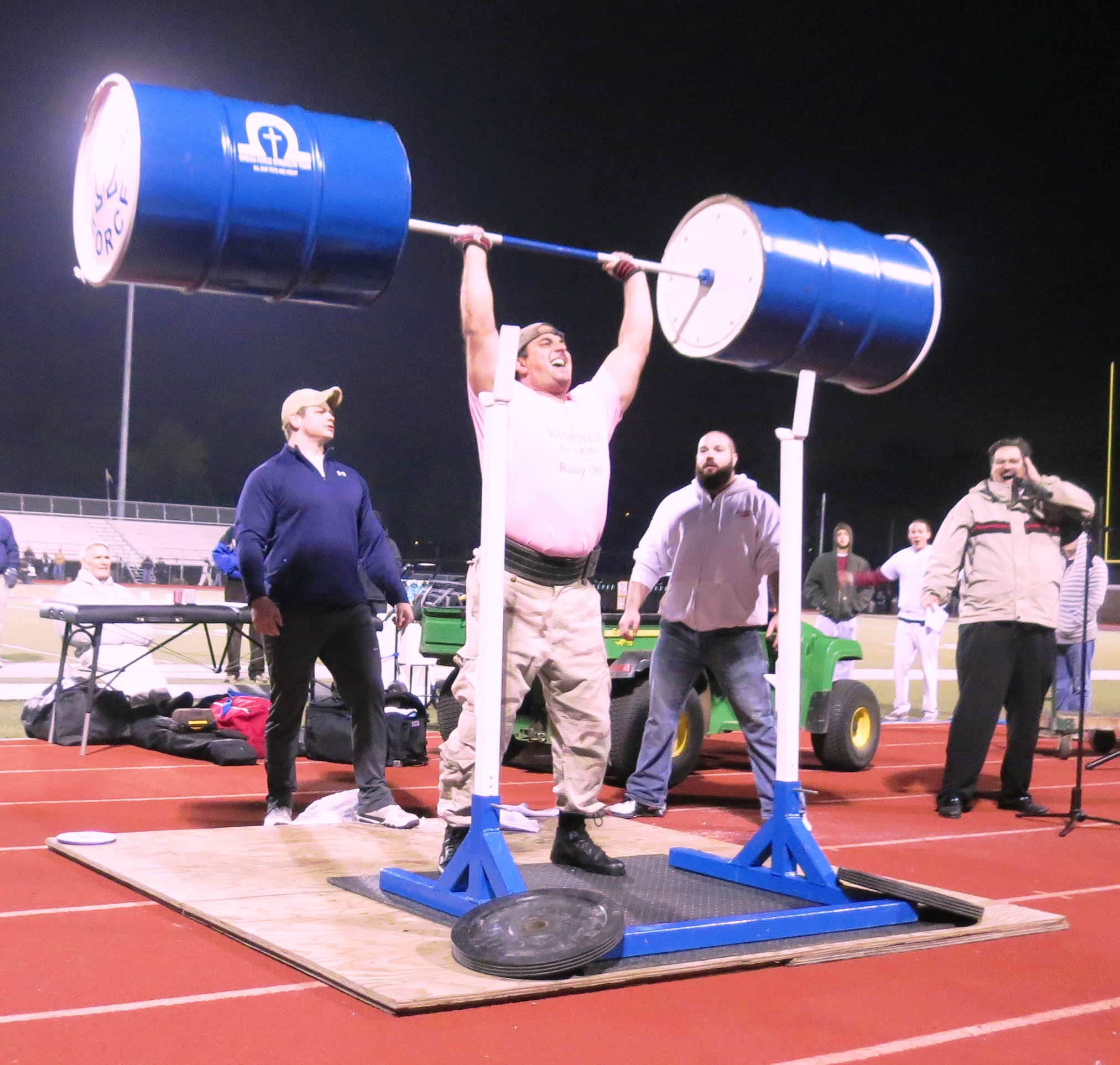
Coach Poe sets new Barrel Press Record to raise money for childhood cancer research for the Rally Foundation at Montgomery Bell Academy by pressing 320 pounds for 14 reps!
Like Matt Poe's old site? Don't worry...Click here >OLD SITE...Click here for Penguin Wellness!
Like Matt Poe Videos and Pictures? See Above In Main Navigation: "What's Up" and "Archived Vs/Ps
Hot Off The Press!!!
"Argument Against Allowing Steroids In Sports" Click here for the article!
Coach Poe After 20 Plus Years
of Creating Separation and Inspiring Others In The Video Below
"Plain and simple, my heart will crush you and I train and coach to win, not just to compete---by the way, I hate when everyone gets trophies"-----Coach Poe
"I told Coach Poe that my foot hurt before my workout in the sand, next thing I know he has got me sprinting with a log over my head---I was like are you deaf---he is a crazy dude--but prepared me like no other had done before"---Chris Sanders, Former NFL Wide Receiver, Tennessee Titans
THE LATEST APPEARANCE BY COACH POE
ON OCTOBER 26, 2012 AND OCTOBER 22, 2012
"THE ORATOR AND THE ATHLETE"
COACH POE PRESSES "320 POUND BARRELLS" 14 REPS TO SET A PERSONAL RECORD
WHILE RAISING MONEY FOR THE RALLY FOUNDATION FOR CHILDHOOD CANCER RESEARCH AT MONTGOMERY BELL ACADEMY
ON OCTOBER 26, 2012
"I thank Brad Gioia and the parents and students of MBA for enabling me to dedicate this lift to Vann Webb class of 2000---it was cold,windy, rainy, and loud---my kind of lifting"---Coach Poe
COACH POE RETURNS TO MONTGOMERY BELL ACADEMY'S ASSEMBLY
ON OCTOBER 22, 2012 AFTER A 22 YEAR STINT TO PROMOTE THE "320 POUND BARREL LIFT" TO RAISE MONEY FOR THE RALLY FOUNDATION FOR CHILDHOOD CANCER RESEARCH
"I was honored and flaterred to return to MBA. The hardest part of my return speach was following Pulitzer Price Winner Jon Meacham...bending a frying pan gave me my only chance to capture attention..."---Coach Poe
SEE YOU NEXT TIME!
